Volker H. Schendel von der Stiftung Astrologie und Erkenntnis (SAE) hat nur das Recht, das Gespräch ungekürzt und unbearbeitet auf frei zugänglichen Videoplattformen (also keine Bezahlschranken) und auf seinen Homepages zu veröffentlichen. – Unsere Gäste haben das Recht, das Gespräch beliebig zu kürzen, bearbeiten oder zu ergänzen und auf Internetangebotsseiten parallel zu veröffentlichen.
* 15. Mai 1949 in Gütersloh – † 11. Februar 2009 in München
Hajo Banzhaf war das fünfte Kind seiner Eltern Johannes und Herta. Seine Schulzeit verbrachte er in einem Internat in Petershagen, im Matthias-Claudius-Heim, ein Schülerinternat am damaligen Staatlichen Aufbaugymnasium (heute Gymnasium Petershagen). – Nach dem Abitur hatte er ein Sprachstudium in Frankreich und ein Philosophiestudium in Münster absolviert, anschließend eine Banklehre gemacht mit nachfolgender zwölfjähriger Banklaufbahn in München. – Mit 26 Jahren erlitt er nach einer Asienreise eine so große Schwächephase, dass ihm von Ärzten empfohlen wurde, sein Testament zu machen, da er voraussichtlich das 30. Lebensjahr nicht erreichen werde. Zu dieser Zeit fiel ihm ein Tarotbuch in die Hände und er fing auch an zu meditieren. Diese beiden Anstöße waren es, die ihm die innere Kraft zu einer vollständigen Genesung gaben, was ihm von Ärzten bestätigt wurde. – evtl. Joachim Winkelmann – Tarot der Eingeweihten – Berlin 1954.
– ab 1985 als freiberuflicher Buchautor, Astrologe und Seminarleiter. Zwischen 1992 und 2000 war er als Herausgeber der Reihe Kailash Buch im Hugendubel-Verlag tätig. Er verfasste zahlreiche Bücher zu den Themen Astrologie und Tarot, von denen Das Arbeitsbuch zum Tarot (1988) in zwanzig verschiedenen Sprachen erschienen ist. Mit seiner Frau Brigitte Theler (1959–2007) lebte und arbeitete er in München. Gemeinsam mit ihr gründete er am 31. Mai 2003 den Tarot e. V. – Hajo Banzhaf starb im 60. Lebensjahr nach einer erfolgreichen Operation an einer Lungenembolie. – Seine Lieblingstarotkarte war der Stern.
Die Astrologin Brigitte Theler, seine Lebenspartnerin, starb nach langem Leiden am 13. Dezember 2007, nur wenige Monate nach ihrer Hochzeit im Februar, und von diesem Schicksalsschlag erholte sich Banzhaf nie mehr vollständig. Im Februar 2009 wurde ihm im Gehirn ein Aneurysma entfernt, einen Tag nach dieser Operation starb er plötzlich und unerwartet am 11. Februar an einer Lungenembolie.
*******
Spirutuelle Erfahrungen / Rosenkreuz / Initiation in der Antike in Eleusis -> Plutarch -> Jamblichus -> Proklos -> Damascius -> Ammonios in Alexandria -> Eutokios
Die Mysterien von Eleusis, die orphische Tradition und die chaldäischen Orakel können als unterschiedliche Ausdrucksformen derselben Suche nach einer göttlichen Wahrheit verstanden werden. – Die eleusinischen Mysterien vermittelten durch rituelle Einweihung die Hoffnung auf eine tiefere Einsicht in den Kreislauf von Leben, Tod und Wiedergeburt. Die Orphik betonte die göttliche Herkunft der Seele und ihre Befreiung aus der Bindung an die materielle Welt durch Askese und Erkenntnis. Die chaldäischen Orakel verbanden kosmologische Spekulation mit mystischer Schau und beschrieben den Aufstieg der Seele zum Göttlichen durch geistige Erkenntnis und göttliche Erleuchtung.
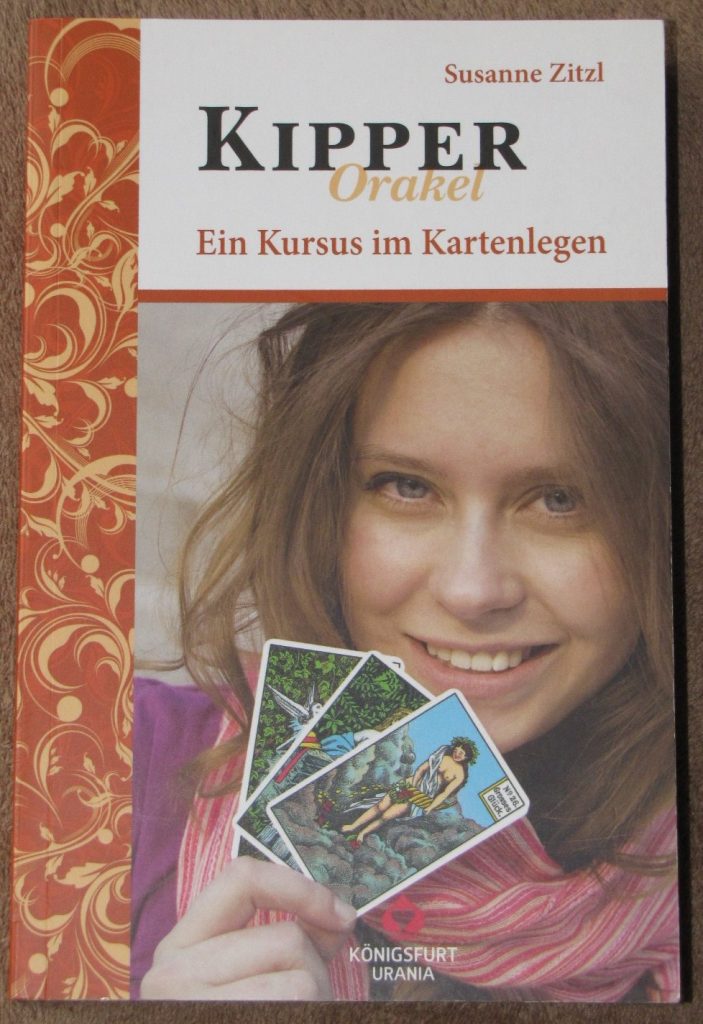
Susanne Zitzl ist Astrologin, Tarot-Expertin, Kartenlegerin und spirituelle Autorin. Sie beschäftigt sich seit vielen Jahren mit verschiedenen Formen der symbolischen Deutung und verbindet in ihrer Arbeit Astrologie, Tarot, Kipperkarten, Spielkarten und weitere spirituelle Methoden. Besonders bekannt ist sie für ihre Beschäftigung mit Kipperkarten, zu denen sie ein umfangreiches Lehrwerk veröffentlicht hat und in dem sie Deutungen, Legesysteme und praktische Anwendungen vermittelt.
Neben der Arbeit mit klassischen Kartensystemen entwickelte Susanne Zitzl auch eigene Kartenkonzepte beziehungsweise wirkte an der Entwicklung neuer Deutungsansätze für Orakelkarten mit. Ihr Schwerpunkt liegt dabei auf der Verbindung von überlieferten Symbolen mit intuitiver Wahrnehmung und moderner spiritueller Beratung.
Zu ihren Themen gehören außerdem Tarot, Astrologie und die Arbeit mit Geistwesen beziehungsweise feinstofflichen Ebenen, die sie als Teil ihrer spirituellen Wahrnehmung und Beratung versteht. Sie vermittelt ihre Erfahrungen in Büchern, Seminaren und Kursen und begleitet Menschen bei Fragen zu Lebensweg, Beziehungen, Entscheidungen und persönlicher Entwicklung. Zu ihren Veröffentlichungen zählen unter anderem Werke über Kipperkarten, Tarot und Kartenlegen.
*******
Giordano Berti is an art historian, writer, and expert in Tarot and esotericism. For many years, he has studied esoteric symbolism and the history of Tarot, sharing his knowledge through essays, Tarot courses, video lessons, and practical guides.
Volker H. Schendel only has the right to publish the conversation uncut and unedited on freely accessible video platforms (i.e. no paywalls) and on his homepages. – Our Guest has the right to shorten, edit or add as he wishes and to publish it on his websites and video-platforms according to his liking
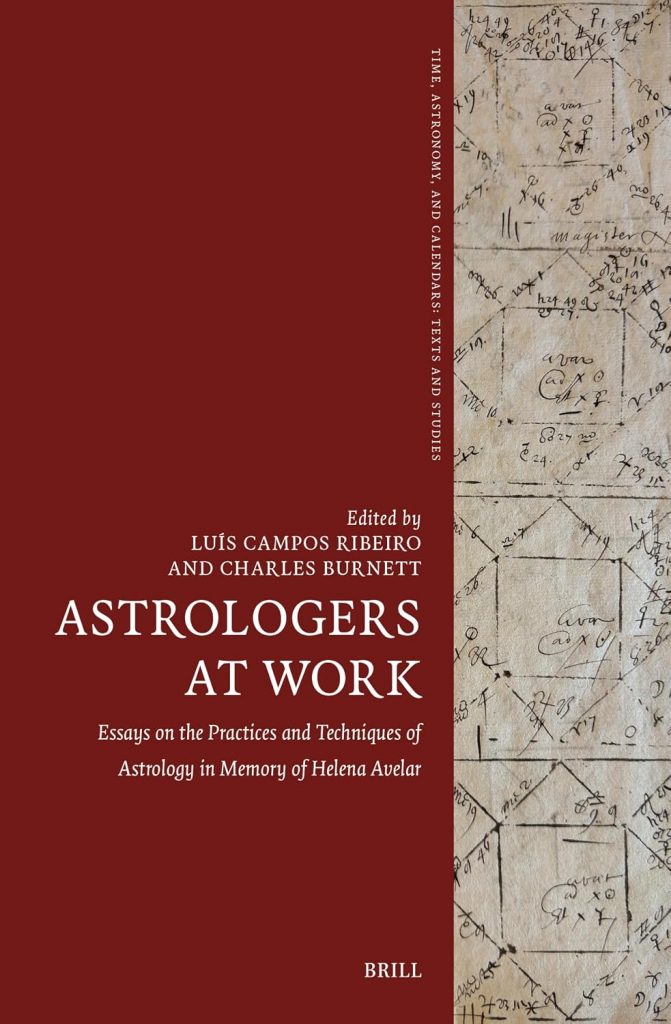
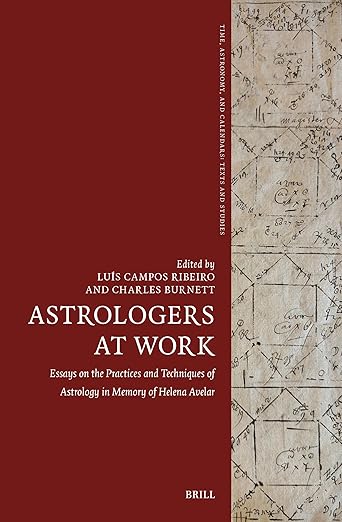
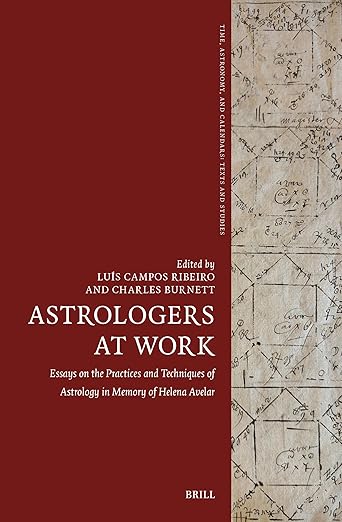
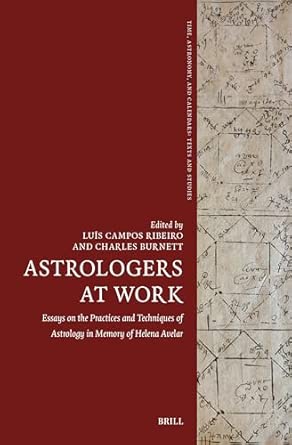
Astrologers at Work – Essays on the Practices and Techniques of Astrology in Memory of Helena Avelar (Time, Astronomy, and Calendars, Band 14) – 2026
Astrologers at Work brings together fourteen scholars to explore the history of astrological practice, focusing on techniques, doctrines, and methods of interpretation across cultures and centuries. Originating from the Tools of the Art conference, organised by the Astra Project in memory of Helena Avelar, this volume highlights astrology’s technical and intellectual dimensions, placing it at the heart of pre-modern science and culture. Through detailed studies of charts, doctrines, and practices, it reveals the central role astrology played in shaping ideas about nature, knowledge, and fate. This work is a vital contribution to the history of science, culture, and ideas.
The Academy derives from the natural development of the Escola de Astrologia Integrada (School of Integrated Astrology), founded in 1999 by Helena Avelar and Luis Ribeiro. – From 2004 on of the School expanded its goals, turning into a centre of research of the astrological tradition, and it was renamed Academy of Astrological Studies. While maintaining its goals, standards and purposes, it expanded to accommodate the academic dimension. – https://academyofastrology.eu/?fbclid=IwAR1lc3AUSANx43ErsroG2H0H5XXLA9XKIzCkk2hkBgKV2tYn-6Mjjr7_6-k
An international and multidisciplinary project for the study of the history of western astrological doctrines, techniques, and practices from antiquity to the early modern period – https://theastraproject.org – https://theastraproject.org/team/ –
Astra is an international, multidisciplinary academic project for the study of the history of western astrological doctrines, techniques, and practices from antiquity to the early modern period. The project is housed in CIUHCT (Interuniversitary Centre for the History of Science and Technology), University of Lisbon, and its developed in partnership with The Warburg Institute, University of London. The main focus is on the History of Astrology, specifically astrological techniques, and it is open to collaboration with related areas, such as the history of astronomy, medicine, magic, geography, and philosophy. The goal is the study of the history of astrological practices in western culture, by a comprehensive and systematic analysis of the main texts and textual traditions. This entails the study of traditions, concepts, techniques and practices from many perspectives such as historical, mathematical and linguistic.
You have described astrology as an unresolved anomaly for the modern worldview. What, in your view, prevents contemporary academia from engaging with it as a legitimate philosophical question rather than dismissing it as a settled issue?
Your work challenges the Cartesian separation between mind and cosmos. What kind of epistemology would be required for astrology to become intellectually conceivable within contemporary scholarship?
Do you see astrology as evidence for an enchanted cosmos, or rather as an invitation to rethink the assumptions underlying modern scientific materialism?
You have written extensively about archetypal cosmology. In what sense are archetypes ontologically real, and how does astrology illuminate their relationship to lived experience?
How do you distinguish meaningful synchronicity from confirmation bias without reducing either to purely subjective interpretation?
Could astrology be understood as a participatory mode of knowing rather than a predictive system? What would such a shift imply for philosophy of science?
Do you believe the central challenge for astrology today is empirical validation, or is it primarily a crisis of interpretation and worldview?
If astrology is fundamentally symbolic rather than causal, what standards of intellectual rigor should govern its interpretation?
How can astrology avoid becoming merely a projection of psychological narratives while still honoring the symbolic richness of archetypal experience?
Your intellectual journey bridges philosophy, psychology, history, and astrology. Which discipline, in your view, currently offers the greatest opportunity for a serious dialogue with astrology—and why?
How should we understand the remarkable historical correspondences between planetary cycles and cultural transformations without falling into deterministic thinking?
To what extent does astrology challenge the prevailing distinction between objective knowledge and subjective meaning?
Would you argue that astrology reveals something about the structure of reality itself, or primarily about the structure of human consciousness?
How has your engagement with archetypal astrology changed your understanding of freedom, agency, and moral responsibility?
Many critics argue that astrology lacks falsifiability. Do you think falsifiability is an appropriate criterion for evaluating symbolic systems of knowledge?
Is the current scientific paradigm capable of accommodating astrology, or would its serious consideration require a Kuhnian paradigm shift of comparable magnitude to the Copernican revolution?
If astrology has survived for millennia across vastly different civilizations, what does that historical persistence itself tell us about human cognition and our relationship to the cosmos?
How do you envision a productive collaboration between practicing astrologers and academic researchers without reducing one perspective to the assumptions of the other?
What unanswered philosophical question about astrology do you consider the most important for the next generation of scholars?
If you were designing a university curriculum for the study of astrology today, what intellectual traditions and methodological approaches would be essential?
Looking back over your life’s work, what aspect of astrology do you believe remains most profoundly misunderstood—not only by skeptics, but also by astrologers themselves?
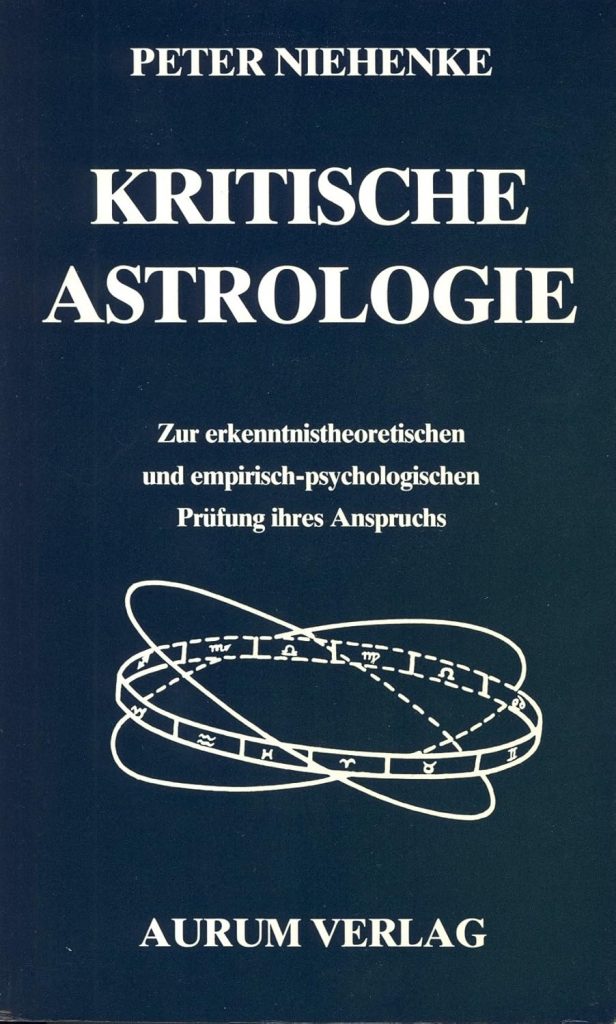
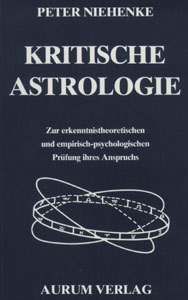
Band 10 Der Schriftenreihe – https://talk.vonabisw.de/SAE/Band10.pdf – Astrologischer Forschungstag zur Dissertation von Dr. Peter Niehenke: „Kritische Astrologie – Zur erkenntnistheoretischen und empirisch-psychologischen Prüfung ihres Anspruchs“ – Konsequenz und Ausblick – Philosophie der Astrologie – Band 10 – der Schriftenreihe der Stiftung Astrologie und Erkenntnis (SAE) – Hannover –
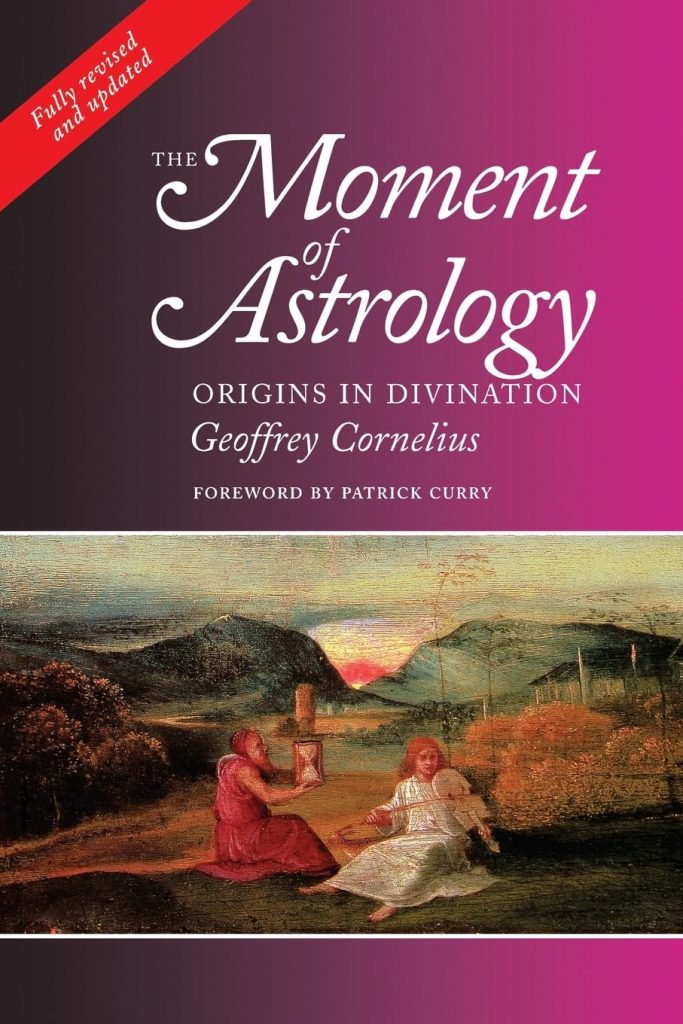
Patrick Curry has been a lecturer at the universities of Bath Spa (teaching the MA in Cultural Astronomy and Astrology) and Kent (teaching the MA in the Cultural Study of Cosmology and Divination). He has published books and papers on the history of astrology, the philosophy of divination, the work of J.R.R. Tolkien, and environmental philosophy. His most recent book is Enchantment: Wonder in Modern Life (Floris, 2019).
Dissertationsentwurf:…. „Die astrologische Beratung – eine Herausforderung für das Recht“ – F. Schlussbemerkung – Professor Dr. Dr. Peter Antes. Direktor des Religionswissenschaftlichen Seminars der Leibniz-Universität Hannover, kennzeichnet sein Fach, die Religionswissenschaft, so: „Wir studieren die Etikette der Weine, aber wir trinken nicht.“ Ein Urteil über Astrologisches – da gilt stattdessen: „In vino veritas.“ Wollen wir auch nur ansatzweise „Wahres“ zur Astrologie finden, heißt es genauer hinsehen und eigene Erfahrung einbringen. Das gilt für Skeptiker wie für Fanatiker. Das Seriöse vom Unseriösen trennen ist die Aufgabe. Aufklärung führt zu Erkenntnis, selbst wenn uns unser Verstand die letzten Wahrheiten nicht erschließen kann. Es ist schon erstaunlich, wie ein wirtschaftlich durchaus relevanter Markt in Deutschland weder rechtswissenschaftlich noch wissenschaftstheoretisch solide erschlossen ist.
Daran ein Weniges zu ändern, war das Anliegen dieser Arbeit. Bleibt zu hoffen, dass die Astrologen die Chance zu mehr Selbstreflexion ihres Tuns nutzen, und die gesellschaftlich relevanten Kräfte, vor allem die Verbraucherzentralen, den millionenfachen Betrug an gutgläubigen Astro-TV-Klienten der Straf- und Ziviljustiz zuführen. Soll das Mitreden nicht in „Schwätzen“ steckenbleiben, geht es nicht ohne eigenes Eintauchen in diese „Obskurität“ Astrologie. Wie oft im Recht wird auch in Sachen „astrologische Beratung“ die Bereitschaft zur Beachtung des rechtlich Gebotenen zu einem gedeihlicheren Miteinander führen. Wo es daran fehlt, sollten die „Richter in Deutschland“ für mehr Gerechtigkeit in diesem Felde sorgen. – Ich schließe mit zwei Zitaten von Vittorio Hösle :
„Die Brüderlichkeit, die aus dem Niederreißen sozialer Schranken hervorgehen sollte, reduziert sich zunehmend auf allgemeine Gleichgültigkeit, auf die Unfähigkeit, andere Wertunterschiede als diejenigen wahrzunehmen, die sich in Geld berechnen lassen. […] Die Erweiterung der individuellen menschlichen Freiheit kulminiert in einer Situation, in der wegen der außerordentlichen Komplexität und Verwobenheit sozialer Systeme der Staat immer reaktiver wird und selbst nicht mehr die Freiheit besitzt, das Überlebensnotwendige zu tun. Der Fortschritt des Wissens hat, da er die Natur nicht nur beschreibt, sondern verändert, eine Gesellschaft mit verursacht, die für ihre Mitglieder weniger übersichtlich und verständlich ist, als traditionelle Gesellschaften es waren. […] Die Rationalisierung der Subsysteme unserer Gesellschaft kann immer weniger über den Eindruck eines Niedergangs der Vernunft hinwegtäuschen – ja, man kann sich des Gefühls nicht erwehren, einem kollektiven Wahnsinn ausgesetzt zu sein, der dadurch nur unheimlicher wird, dass sich die Orientierungslosigkeit hinsichtlich der eigentlichen Ziele mit methodischer Perfektion beim Einsatz der Mittel verbindet. Die Aufklärung scheint als letztes Resultat einen Typ von Intellektuellen hervorgebracht zu haben, der alles zu durchschauen und endlich verstanden zu haben glaubt, dass Erkenntnis der Wirklichkeit ebenso wenig möglich sei wie die normative Auszeichnung einer Handlungsalternative vor einer anderen.“
„Wäre es nicht besser, ganz auf den Begriff Naturrecht zu verzichten und lieber von Vernunftrecht zu sprechen, da doch die praktische Vernunft und nicht die Natur der einschlägige Geltungsgrund ist? Die Frage wäre zu bejahen, wenn es nicht Neologismen so schwer hätten und wenn nicht so viel dafür spräche, die Kontinuität mit jener Tradition, die seit den Alten von Naturrecht redet, nicht abzubrechen. Immerhin haben ja nicht nur der Katholizismus, sondern auch Denker wie Locke, Leibniz, Fichte und Hegel von Naturrecht gesprochen, und zwar Letztere im Rahmen einer auf die Vernunftautonomie gegründeten praktischen Philosophie. Unter „Naturrecht“ soll der Inbegriff jener Normen verstanden werden, die aus moralischen Gründen mit Zwangsmitteln durchgesetzt werden dürfen bzw. sogar sollen, sofern dies nicht unzweckmäßig ist. Das Naturrecht ist also ein Maßstab zur Beurteilung der Moral des positiven Rechtes, der in den Prinzipien der allgemeinen Ethik gründet. Wenn man es verwirft, besteht keine Möglichkeit, begründete Urteile über die Ungerechtigkeit eines Rechtssystems zu fällen; man beraubt sich der Möglichkeit sachlicher Kritik des positiven Rechtes auf der Ebene der Wertrationalität – und das sollte gerade eine Gesellschaft wohl bedenken, die sich für aufgeklärt und kritisch hält. Es ist lächerlich, im Sinne der Interessenjurisprudenz zu erklären, der Ausgleich von Interessen sei ausreichend, um gerechtes Recht hervorzubringen. Gewiss sind Interessen ein wichtiger Gegenstand des Rechts, und die Weigerung einer bestimmten Art von Begriffsjurisprudenz, sie angemessen zu berücksichtigen, war unverantwortlich. Aber Interessen stehen häufig genug im Widerspruch zueinander, der in der Regel nur dann gewaltlos aufgelöst werden kann, wenn es einen die faktischen Interessen transzendierenden Maßstab gibt, um die einzelnen Interessen zu bewerten. Ein solcher Maßstab kann jedoch selbst nicht auf Interessen zurückgeführt werden, weil sich bei den konfligierenden Metainteressen dasselbe Problem noch einmal stellen würde.“
Providence and Fate – Divination – https://delineation.vonabisw.de/pronoia-und-moira-providence-and-fate-fatum – Stoa – Als die vernunftgemäss gestaltende und erhaltende Kraft ist die Pronoia mit dem Logos und der Physis identisch. Sie ist die Gottheit von einer bestimmten Seite her gesehen. Unter einem anderen Gesichtspunkt erscheint dies als Heimarmene. – Max Pohlenz: Die Stoa – Geschichte einer geistigen Bewegung – Seite 101 ff.
Pronoia (Vorsehung) und Moira (Schicksal) – Providence and Fate – Providentia et Fatum – Heimarmene (Fügung)
Schicksal – Fatum – Fate – Moira – Schicksalsglaube ist der Glaube bzw. die Überzeugung, dass ein bestimmter Lebensweg oder bestimmte Ereignisse im Leben eines Menschen mehr oder weniger deterministisch vorherbestimmt sind
Proklos Diadochos : Über die Vorsehung, das Schicksal und den freien Willen an Theodoros, den Ingenieur (Mechaniker) – Proklos Diadochos. Nach Vorarbeiten von Theo Borger ; übersetzt und erläutert von Michael Erler.
Thesis: Astrology as the teaching of Primordial Principles not of the stars or planets. – Therefore the Planets can never be causes – only signs as representative for one of the seven Primordial Principles – now ten. – As above so below. – The Horoscope as the teaching and learning Plan for the life of the Individual. – Lord not my will, but your will be done. –
Firdarien (Firdaria) – Eine persisch-arabische Zeitperiodenmethode.
Zodiakale Auslösungen (Zodiacal Releasing)
Circumambulation des Hyleg – Eine klassische Technik zur Lebensprognose.
Distributionen durch die Grenzen (Termdirektionen) – Der Hyleg oder andere Signifikatoren werden durch die planetaren Grenzen (Terms) geführt.
Jahresherrscher (Annual Lords) – Eine Weiterentwicklung der Profektionen.
Große Konjunktionen – Vor allem in der arabischen Astrologie wurden die Zyklen von Jupiter und Saturn auf das individuelle Horoskop bezogen.
Aphesis (Freisetzung) – Eine hellenistische Technik, bei der bestimmte Horoskoppunkte durch den Tierkreis „freigesetzt“ werden.
Katarchische Astrologie
Die katarchische Astrologie (griechisch katarchē = „Anfang“, „Beginn“) umfasst alle astrologischen Verfahren, die sich mit dem Beginn einer Handlung, eines Vorhabens oder eines Ereignisses beschäftigen.
Elektionsastrologie – Inceptionsastrologie (Astrologie der Anfänge) – Während die Elektionsastrologie den Zeitpunkt vorab auswählt, analysiert die Inceptionsastrologie einen tatsächlich erfolgten Beginn.
Der Neuplatonismus geht davon aus, dass das gesamte Universum eine geordnete Hierarchie bildet:
Das Eine (höchstes Prinzip)
Der Nous (göttlicher Geist)
Die Weltseele = Anima Mundi
Die materielle Welt
Die Sterne und Planeten spiegeln die Harmonie des Universums wider und stehen in einem umfassenden Zusammenhang mit allen Bereichen der Wirklichkeit.
Das neuplatonische Weltbild
Das Weltbild des Neuplatonismus beruht auf einer hierarchischen Ordnung der Wirklichkeit. An der Spitze steht das Eine als höchstes und vollkommenes Prinzip, aus dem der göttliche Geist (Nous), die Weltseele und schließlich die materielle Welt hervorgehen. Alle Ebenen dieser Ordnung sind miteinander verbunden und bilden einen lebendigen Kosmos. Die Gestirne nehmen innerhalb dieser Hierarchie eine besondere Stellung ein, da sie als sichtbare Manifestationen der göttlichen Ordnung gelten. Ihre Bewegungen sind Ausdruck der Harmonie des Universums und spiegeln die Gesetzmäßigkeiten wider, nach denen sich alle Dinge entfalten.
Version 1.0.0
Die Sterne als Zeichen der kosmischen Ordnung
Ein grundlegendes Merkmal der neuplatonischen Astrologietheorie ist die Auffassung, dass die Sterne keine unmittelbaren Ursachen menschlicher Handlungen oder Schicksale sind. Besonders Plotin wandte sich gegen die Vorstellung, dass Planeten das Leben eines Menschen mechanisch bestimmen könnten. Stattdessen verstand er sie als Zeichen oder Hinweise auf die allgemeine Ordnung des Kosmos. Häufig wird seine Position mit dem Bild einer Uhr verglichen: So wie der Zeiger nicht die Zeit hervorbringt, sondern lediglich anzeigt, welche Zeit bereits ist, zeigen auch die Gestirne die im Universum wirkenden Kräfte an, ohne sie selbst hervorzurufen. Astrologie dient daher vor allem der Erkenntnis dieser kosmischen Zusammenhänge.
Kosmische Sympathie und Entsprechungen
Ein weiterer zentraler Gedanke des Neuplatonismus ist die Lehre von der kosmischen Sympathie. Nach dieser Vorstellung besteht zwischen allen Dingen im Universum eine verborgene Verbindung. Planeten, Menschen, Tiere, Pflanzen, Edelsteine und Metalle stehen in symbolischen Entsprechungen zueinander und bilden ein zusammenhängendes Ganzes. So wurde beispielsweise die Sonne mit Gold, der Mond mit Silber und Saturn mit Blei in Verbindung gebracht. Diese Analogien galten nicht als bloße Symbole, sondern als Ausdruck realer Beziehungen innerhalb des lebendigen Kosmos. Die Lehre von den Entsprechungen beeinflusste später die hermetische Tradition, die mittelalterliche Astrologie sowie die Naturphilosophie und Magie der Renaissance.
Der freie Wille des Menschen
Obwohl der Neuplatonismus astrologische Einflüsse anerkennt, lehnt er einen absoluten Determinismus ab. Nach dieser Auffassung können die Gestirne zwar den Körper, die natürlichen Anlagen und die Leidenschaften des Menschen beeinflussen, nicht jedoch den höchsten Teil der Seele. Der vernünftige und geistige Kern des Menschen bleibt frei und kann sich bewusst über seine natürlichen Neigungen erheben. Gerade hierin zeigt sich die eigentliche Würde des Menschen. Der Weise erkennt die kosmischen Zusammenhänge und ist dadurch in der Lage, seine Dispositionen zu verstehen und ihnen nicht blind zu folgen. Astrologie beschreibt somit Möglichkeiten und Tendenzen, ohne den Menschen seines freien Willens zu berauben.
Astrologie und Theurgie
Vor allem Iamblichos entwickelte die neuplatonische Astrologie weiter, indem er sie mit der Theurgie verband. Unter Theurgie verstand man religiöse und rituelle Praktiken, durch die sich die menschliche Seele wieder stärker mit der göttlichen Wirklichkeit verbinden sollte. Rituale, Gebete, heilige Symbole und mathematische Proportionen galten als Mittel, um die Harmonie zwischen Mensch und Kosmos wiederherzustellen. Die Gestirne wurden dabei als Vermittler göttlicher Kräfte verstanden, deren Einflüsse den spirituellen Aufstieg der Seele unterstützen konnten. Astrologie erhielt dadurch nicht nur eine erkenntnistheoretische, sondern auch eine religiöse und spirituelle Bedeutung.
Wirkungsgeschichte
Die neuplatonische Astrologietheorie übte einen weitreichenden Einfluss auf die Geistesgeschichte aus. Sie prägte die spätantike Hermetik, die Philosophie der islamischen Welt sowie die mittelalterliche Astrologie Europas. In der Renaissance griffen Philosophen wie Marsilio Ficino die neuplatonischen Vorstellungen erneut auf und verbanden sie mit christlichem Denken. Gleichzeitig setzte sich Giovanni Pico della Mirandola kritisch mit der Astrologie auseinander und wandte sich gegen ihre deterministischen Ausprägungen. Auch zahlreiche esoterische Strömungen der Neuzeit übernahmen die neuplatonische Vorstellung eines symbolisch geordneten und beseelten Universums.
Fazit
Die neuplatonische Astrologietheorie versteht die Gestirne nicht als Mächte, die das menschliche Schicksal zwangsläufig bestimmen, sondern als sichtbare Zeichen einer umfassenden kosmischen Ordnung. Der gesamte Kosmos wird als lebendiger Zusammenhang betrachtet, in dem alle Dinge miteinander verbunden sind. Astrologie dient deshalb vor allem dazu, diese Zusammenhänge zu erkennen und den Platz des Menschen im Universum zu verstehen. Gleichzeitig bleibt der Mensch aufgrund seines geistigen Wesens frei, sich über bloße Naturgegebenheiten zu erheben und durch philosophische Erkenntnis sowie spirituelle Läuterung dem höchsten Ziel des Neuplatonismus – der Rückkehr zum Einen – näherzukommen.
******* Die Engelshierarchie des Dionysios Areopagita
Diese neuplatonische Vorstellung einer hierarchisch geordneten Wirklichkeit wurde im christlichen Denken durch Pseudo-Dionysius Areopagita aufgenommen und weiterentwickelt. In seiner Schrift De Coelesti Hierarchia (Über die himmlische Hierarchie) beschreibt Dionysios das Universum als eine gestufte Ordnung göttlicher Vermittlung. Zwischen Gott und der materiellen Welt stehen die Engel, die das göttliche Licht empfangen, reinigen und stufenweise an die unteren Ebenen weitergeben. Die gesamte Schöpfung ist somit von einer hierarchischen Vermittlungsstruktur geprägt, die dem neuplatonischen Gedanken der Emanation entspricht.
Dionysios unterscheidet neun Engelchöre, die in drei Hierarchien gegliedert sind. Die höchste Hierarchie besteht aus den Seraphim, Cherubim und Thronen. Diese stehen Gott unmittelbar am nächsten und betrachten fortwährend das göttliche Licht. Die mittlere Hierarchie umfasst Herrschaften, Mächte und Gewalten. Sie ordnen den Kosmos und vermitteln die göttliche Ordnung an die unteren Ebenen. Die unterste Hierarchie besteht aus Fürstentümern, Erzengeln und Engeln, welche die göttlichen Wirkungen unmittelbar an die Menschen und die sichtbare Welt weitergeben.
Aus neuplatonischer Perspektive bilden die Engel somit die geistigen Vermittler zwischen Gott und dem Kosmos. Während die Sterne die göttliche Ordnung sichtbar widerspiegeln, verkörpern die Engel die unsichtbaren geistigen Kräfte, durch welche diese Ordnung wirksam wird. Dadurch verbindet Dionysios die antike Kosmologie mit der christlichen Engellehre. Die Gestirne sind nicht selbst göttliche Wesen, sondern Teil einer umfassenden Schöpfungsordnung, deren eigentliche Vermittler die Engel sind.
Kosmische Sympathie und die Vermittlung der Engel
Ein zentraler Gedanke des Neuplatonismus ist die Lehre von der kosmischen Sympathie. Nach dieser Vorstellung besteht zwischen allen Bereichen der Schöpfung eine innere Entsprechung. Planeten, Menschen, Tiere, Pflanzen, Edelsteine und Metalle stehen in symbolischen Beziehungen zueinander. So wurden beispielsweise die Sonne mit Gold, der Mond mit Silber und Saturn mit Blei verbunden. Diese Entsprechungen galten als Ausdruck einer objektiven kosmischen Ordnung.
Durch die Einbindung der Engelshierarchie erhält diese Lehre eine christliche Deutung. Die Harmonie zwischen Himmel und Erde entsteht nicht durch eine selbständige Wirksamkeit der Sterne, sondern weil die Engel als göttliche Mittler die göttliche Ordnung bis in die materielle Welt hinein vermitteln. Die kosmischen Entsprechungen spiegeln somit letztlich den göttlichen Willen wider, der über die Engel die gesamte Schöpfung durchdringt.
Freiheit des Menschen
Trotz der kosmischen Ordnung bleibt der Mensch nach neuplatonischer Auffassung frei. Die Gestirne können den Körper, die natürlichen Anlagen und die Leidenschaften beeinflussen, nicht jedoch den höchsten Teil der Seele. Auch Dionysios betont, dass der Mensch durch seine Vernunft und seine Hinwendung zu Gott an der himmlischen Ordnung teilhaben kann. Die Engel dienen dabei nicht dazu, den Menschen zu beherrschen, sondern ihn zur Erkenntnis Gottes zu führen. Je mehr sich der Mensch geistig läutert, desto stärker nähert er sich den höheren Stufen der himmlischen Hierarchie an.
Astrologie, Theurgie und christliche Mystik
Während Iamblichos den Aufstieg der Seele durch die Theurgie, also durch heilige Rituale und symbolische Handlungen, erklärte, ersetzt Dionysios diese Vorstellung weitgehend durch die christliche Liturgie und das sakramentale Leben der Kirche. Die göttliche Gnade wird nicht mehr durch magische Rituale vermittelt, sondern durch die Engel, die Liturgie und die Sakramente. Dennoch bleibt die Grundstruktur neuplatonisch: Das göttliche Licht strömt von oben nach unten, während die Seele durch Reinigung, Erleuchtung und Vollendung wieder zu ihrem Ursprung aufsteigt.
Wirkungsgeschichte
Die Verbindung von Neuplatonismus, Astrologie und Engelshierarchie prägte das gesamte mittelalterliche Weltbild. Besonders die Scholastik, etwa bei Thomas von Aquin, übernahm die Engelshierarchie des Dionysios und verband sie mit der aristotelischen Kosmologie. Gleichzeitig blieb die neuplatonische Vorstellung erhalten, dass die Himmelskörper Ausdruck einer höheren geistigen Ordnung sind. In der Renaissance griff Marsilio Ficino diese Gedanken erneut auf und verband die neuplatonische Kosmologie mit christlicher Spiritualität und astrologischem Denken. Dadurch entstand ein Weltbild, in dem Gott, Engel, Gestirne und Menschen als Glieder einer einzigen, harmonisch geordneten Schöpfung verstanden wurden.
Fazit
Die Engelshierarchie des Dionysios ergänzt die neuplatonische Astrologietheorie um eine ausdrücklich christliche Dimension. Während der Neuplatonismus die Gestirne als sichtbare Zeichen einer hierarchischen und beseelten Weltordnung versteht, erklärt Dionysios, dass zwischen Gott und der sichtbaren Welt eine gestufte Ordnung von Engelwesen vermittelt. Die Sterne wirken daher nicht als eigenständige Schicksalsmächte, sondern spiegeln eine Ordnung wider, die letztlich von Gott ausgeht und durch die Engel vermittelt wird. So verbindet sich die neuplatonische Vorstellung einer kosmischen Hierarchie mit der christlichen Lehre von den neun Engelchören zu einem geschlossenen mittelalterlichen Weltbild, in dem das gesamte Universum als auf Gott hin geordnete Einheit verstanden wird.
*******
Dionysios unterscheidet insgesamt neun Engelchöre, die zu drei Hierarchien zusammengefasst sind. Jede Hierarchie erfüllt eine eigene Aufgabe innerhalb der göttlichen Weltordnung und steht in einer unterschiedlichen Nähe zu Gott.
Seraphim, Cherubim und Throne
Die erste und höchste Hierarchie umfasst die Seraphim, die Cherubim und die Throne. Die Seraphim (lateinisch Seraphim, griechisch Seraphim) stehen Gott am nächsten. Ihr Name bedeutet „die Brennenden“ oder „die Entflammten“ und verweist auf ihre vollkommene Liebe zu Gott. Sie sind vollständig vom göttlichen Licht durchdrungen und reinigen alles Niedere durch ihre glühende Gottesliebe. Die Cherubim (lateinisch Cherubim, griechisch Cheroubim) verkörpern die höchste Erkenntnis und Weisheit. Sie schauen die göttliche Wahrheit unmittelbar und vermitteln die Fülle göttlicher Einsicht. Die Throne (lateinisch Throni, griechisch Thronoi) bilden den göttlichen Richterstuhl. Sie stehen für göttliche Gerechtigkeit, Beständigkeit und Demut und gelten als Träger der göttlichen Gegenwart.
Kyriotetes, Dynameis und Exousiai
Die zweite Hierarchie besteht aus den Herrschaften, den Mächten und den Gewalten. Die Herrschaften (lateinisch Dominationes oder Domini, griechisch Kyriotetes) ordnen die Tätigkeit der nachgeordneten Engelchöre und verkörpern die göttliche Herrschaft ohne Zwang. Sie sorgen dafür, dass die göttliche Ordnung im gesamten Kosmos bewahrt wird. Die Mächte (lateinisch Virtutes, griechisch Dynameis) repräsentieren die göttliche Kraft und Stärke. Ihnen wird die Ausführung göttlicher Wunder sowie die Erhaltung der natürlichen Ordnung zugeschrieben. Die Gewalten (lateinisch Potestates, griechisch Exousiai) wachen über die kosmische Ordnung und schützen die Schöpfung vor den Mächten des Chaos und des Bösen. Sie bewahren die Harmonie der Welt und sichern die göttliche Gesetzmäßigkeit.
Archai, Archangeli, und Angeloi
Die dritte und unterste Hierarchie umfasst die Fürstentümer, die Erzengel und die Engel. Die Fürstentümer (lateinisch Principatus, griechisch Archai) gelten als Beschützer größerer Gemeinschaften wie Völker, Länder oder kirchlicher Gemeinschaften. Sie leiten geschichtliche Entwicklungen im Sinne der göttlichen Vorsehung. Die Erzengel (lateinisch Archangeli, griechisch Archangeloi) überbringen bedeutsame göttliche Botschaften und übernehmen besondere heilsgeschichtliche Aufgaben. Zu ihnen zählen in der christlichen Tradition insbesondere Michael (Erzengel), Gabriel und Raphael. Die Engel (lateinisch Angeli, griechisch Angeloi) bilden schließlich den untersten Chor und stehen den Menschen am nächsten. Sie gelten als Schutzengel und Boten Gottes, die den einzelnen Menschen begleiten, leiten und schützen.
Nach Dionysios empfängt jede Hierarchie das göttliche Licht von der übergeordneten Stufe und gibt es in geläuterter Form an die nächstniedrigere weiter. Dieses Prinzip entspricht dem neuplatonischen Gedanken der Emanation, nach dem alles Sein vom höchsten Ursprung ausgeht und sich stufenweise entfaltet. Zugleich strebt jede Ebene der Schöpfung danach, sich wieder ihrem Ursprung anzunähern. Die Engel bilden somit die geistigen Vermittler zwischen Gott und der sichtbaren Welt.
Im Zusammenhang mit der neuplatonischen Astrologietheorie erhält diese Hierarchie eine besondere Bedeutung. Während die Sterne und Planeten als sichtbare Zeichen der kosmischen Ordnung verstanden werden, verkörpern die Engel die unsichtbaren geistigen Kräfte, durch welche diese Ordnung verwirklicht wird. Die Bewegungen der Gestirne sind daher Ausdruck einer höheren göttlichen Harmonie, deren eigentliche Vermittler die Engel sind. Auf diese Weise verbindet Dionysios die neuplatonische Kosmologie mit der christlichen Engellehre zu einem geschlossenen Weltbild, in dem Gott, Engel, Gestirne und Menschen als Glieder einer einzigen, hierarchisch geordneten Schöpfung erscheinen.
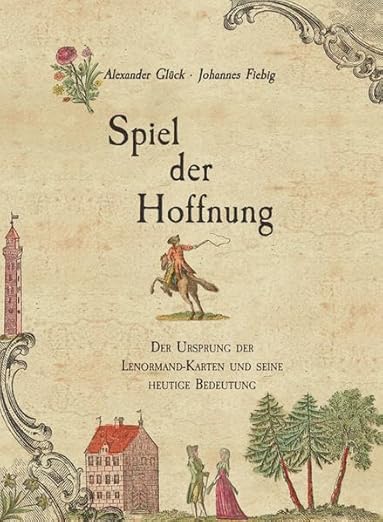
Der Ursprung der LeNormand Karten – Das Spiel der Hoffnung
Dieses wurde um 1799 vom Nürnberger Kupferstecher und Spielkartenhersteller Johann Kaspar Hechtel veröffentlicht. – Hechtel entwarf, stach die Kupferplatten, druckte und vertrieb das Spiel selbst bzw. über seine Werkstatt in Nürnberg. – Historisch bedeutsam ist, dass das „Spiel der Hoffnung“ 54 Karten besaß. Die späteren Lenormand-Karten übernahmen daraus die heute bekannten 36 Hauptmotive. – Das Spiel war ursprünglich eher ein Brett- bzw. Laufspiel mit Wahrsagefunktion als ein eigenständiges Kartenorakel im heutigen Sinn. – Hechtel war möglicherweise Teil eines Kreises, der sich für Hermetik, Alchemie, Rosenkreuzertum oder andere esoterische Strömungen interessierte. Die scheinbar einfachen Motive – Baum, Schiff, Anker, Kreuz – könnten dann bewusst als archetypische Symbole gewählt worden sein, die mehrere Bedeutungsebenen besitzen. – Vielleicht sah er das Spiel als Modell des Lebenswegs. Der Reiter bringt Nachrichten, das Schiff steht für Aufbruch, der Baum für Wachstum, das Kreuz für Prüfungen. Das Kartenspiel wäre dann eine symbolische Reise durch das menschliche Schicksal. – Ende des 18. Jahrhunderts waren die Grenzen zwischen Wissenschaft, Philosophie und Esoterik fließender als heute. Vielleicht interessierte er sich für Symbolik und Schicksalsfragen, ohne sich als „Mystiker“ zu verstehen. Viele gebildete Menschen jener Zeit bewegten sich in solchen Zwischenbereichen. – Vielleicht bemerkte Hechtel, dass bestimmte Bildkombinationen bei Menschen erstaunlich starke Assoziationen auslösten. Er entwickelte daraus ein Symbolsystem, das wie ein psychologischer Spiegel funktioniert. Zwei Jahrhunderte später würden Kartenleger darin Zukunftsdeutung sehen, während Psychologen von Projektion und Mustererkennung sprechen würden.
Historisch gesichert ist davon allerdings nichts. Das Einzige, was wir wirklich wissen, ist: Das von ihm veröffentlichte „Spiel der Hoffnung“ enthielt bereits die Symbolwelt, die später zum Lenormand-Orakel wurde. Alles über seine persönlichen Motive bleibt ein Rätsel. Gerade deshalb bietet er viel Raum für Spekulationen.
Hermetische und alchemistische Traditionen
Wenn man die historische Vorsicht einmal beiseitelässt und sich auf eine spekulative Deutung einlässt, könnte man sich vorstellen, dass Johann Kaspar Hechtel nicht einfach wahllos Bilder auswählte, sondern auf einen Symbolschatz zurückgriff, der im Europa des späten 18. Jahrhunderts bereits tief im kollektiven Bewusstsein verankert war.
Vielleicht lebte er in einer Welt, in der die Grenzen zwischen Volksglauben, christlicher Symbolik, Hermetik, Aufklärung und geheimen Zirkeln viel durchlässiger waren als heute. In den Städten kursierten Bücher über Alchemie und Naturphilosophie, Freimaurerlogen diskutierten über Erkenntnis und moralische Entwicklung, Rosenkreuzer suchten nach verborgenen Wahrheiten, und gleichzeitig deuteten einfache Menschen Träume, Zeichen und Omen des Alltags.
Aus dieser Perspektive wäre das spätere Lenormand-System eine Art verdichtete Landkarte menschlicher Erfahrung. Der Baum wäre nicht bloß ein Baum, sondern das Sinnbild des Lebens selbst – Verwurzelung, Wachstum, Gesundheit und die Verbindung zwischen Himmel und Erde. Das Schiff könnte die Reise der Seele darstellen, den Aufbruch ins Unbekannte und die Bewegung des Schicksals. Der Stern würde Orientierung geben wie ein Licht in der Dunkelheit, während Sonne und Mond die beiden Pole des Bewusstseins verkörpern: das klare Erkennen auf der einen Seite und die verborgene Welt der Träume, Instinkte und Geheimnisse auf der anderen.
Gleichzeitig blieben die Symbole so einfach, dass sie jeder verstehen konnte. Der Anker war Hoffnung, der Ring eine Bindung, das Herz die Liebe, das Haus die Familie und der Brief die Nachricht. Man musste kein Eingeweihter sein, um ihre Bedeutung zu erfassen. Gerade darin könnte die eigentliche Genialität gelegen haben: Die Bilder wirkten alltäglich und banal, trugen aber möglicherweise uralte symbolische Schichten in sich.
In dieser Lesart wäre das System weder reiner Volksglaube noch geheime Esoterik. Es wäre eine Brücke zwischen beiden Welten. Die Karten würden dieselbe Sprache sprechen wie Märchen, Kirchenfenster, Volkslieder und mystische Schriften – eine Sprache der Symbole, die Menschen intuitiv verstehen, auch wenn sie ihre Herkunft nicht kennen.
Vielleicht war Hechtel deshalb weniger ein Erfinder als ein Sammler kultureller Archetypen. Er nahm Zeichen, die seit Jahrhunderten durch Europa wanderten, und ordnete sie zu einem geschlossenen System. Das Kreuz stand dann nicht nur für Glauben oder Leid, sondern für die Prüfungen des Lebens. Das Schiff war nicht nur ein Transportmittel, sondern die Reise des Menschen durch die Zeit. Der Baum war nicht nur Natur, sondern der Lebensweg selbst.
So betrachtet könnte das „Spiel der Hoffnung“ als ein Produkt jener besonderen Epoche erscheinen, in der die Aufklärung die Welt rational erklären wollte, während gleichzeitig viele Menschen weiterhin glaubten, dass hinter den sichtbaren Dingen eine verborgene Ordnung wirke. Die Karten wären dann nicht deshalb erfolgreich geworden, weil sie die Zukunft vorhersagen, sondern weil sie eine Sammlung von Symbolen enthalten, die Menschen seit Jahrhunderten mit den großen Themen ihres Lebens verbinden: Liebe, Hoffnung, Verlust, Wachstum, Gefahr, Schicksal und Orientierung.
Das wäre zumindest die romantisch-mystische Spekulation: Dass die Lenormand-Karten kein zufälliges Kartenspiel sind, sondern ein Echo eines sehr alten europäischen Symbolwissens, das Hechtel – bewusst oder unbewusst – in eine Form gegossen hat, die bis heute überlebt hat.
*******
Spiel der Hoffnung. Ursprung und Entwicklung der Lenormand-Karten von Alexander Glück ist eine kulturhistorische Untersuchung, die den Ursprung der Lenormand-Karten aus einer überraschend nüchternen Perspektive beleuchtet und viele der bekannten esoterischen Mythen um dieses Kartensystem hinterfragt. Im Zentrum steht die Frage, woher diese Karten tatsächlich stammen und wie sie im Laufe der Zeit zu einem der bekanntesten Wahrsageinstrumente Europas wurden.
Glück zeigt, dass die Lenormand-Karten ursprünglich nicht als mystisches Orakel gedacht waren, sondern ihre Wurzeln in einem Gesellschaftsspiel haben – dem sogenannten „Spiel der Hoffnung“ (französisch Le jeu de l’espoir). Dieses entstand Ende des 18. beziehungsweise Anfang des 19. Jahrhunderts und war zunächst als spielerisches Legesystem konzipiert, das mit Symbolen arbeitete, die alltägliche Lebenssituationen abbildeten. Von einer esoterischen Bedeutung war in dieser frühen Phase noch keine Rede.
Besonders spannend ist die historische Entwicklung, die der Autor nachzeichnet: Erst im Laufe des 19. Jahrhunderts begann sich die Deutung der Karten zu verändern. Aus einem Spiel wurde allmählich ein Instrument der Wahrsagung, wobei sich die Verbindung zur bekannten Pariser Wahrsagerin Mademoiselle Lenormand erst nachträglich etablierte. Ihr Name wurde rückwirkend mit dem Kartensystem verknüpft, obwohl sie selbst nicht die Schöpferin dieses spezifischen Decks war.
Im weiteren Verlauf beschreibt Glück, wie sich im 20. Jahrhundert schließlich die heute bekannten Lenormand-Decks herausbildeten und verschiedene Deutungstraditionen entstanden, die das System weiter systematisierten und in unterschiedliche „Schulen“ der Interpretation aufteilten. Dabei betont er stets seinen historisch-kritischen Ansatz: Statt romantischer Vorstellungen eines uralten Orakelsystems legt er Wert auf Quellen, Drucke und spielhistorische Belege und setzt sich deutlich von esoterischen Erzähltraditionen ab.
Die zentrale These des Buches ist damit klar: Die Lenormand-Karten sind kein uraltes mystisches Werkzeug, sondern entspringen der Spielkultur der Aufklärung und Frühmoderne. Ihre spätere okkulte Bedeutung ist eine nachträgliche Zuschreibung, die sich über Jahrzehnte hinweg entwickelt hat. Gerade diese Entmythologisierung macht das Werk für die Spielkarten- und Kulturgeschichte besonders bedeutend.
Insgesamt entsteht so das Bild eines Systems, das weniger aus geheimnisvoller Magie geboren wurde, sondern vielmehr aus einem symbolischen Spiel mit der „Hoffnung“ – und erst später zu dem wurde, was heute oft als Orakel betrachtet wird.
Diskussion um die Herkunft der Lenormand-Karten
In der Diskussion um die Herkunft der Lenormand-Karten stehen sich im Kern zwei völlig unterschiedliche Denkweisen gegenüber, die weniger in direkter wissenschaftlicher Auseinandersetzung als vielmehr in parallelen Deutungstraditionen existieren. Auf der einen Seite steht die historisch-kritische Forschung, wie sie etwa Alexander Glück in Spiel der Hoffnung. Ursprung und Entwicklung der Lenormand-Karten vertritt. Auf der anderen Seite befindet sich eine breit gefächerte esoterische Literatur, die Lenormand-Karten als ein von Beginn an symbolisch-spirituelles Orakelsystem versteht und ihre Entwicklung primär über Traditionslinien und praktische Erfahrung erklärt.
Die klassische esoterische Standardliteratur geht dabei konsequent davon aus, dass Lenormand-Karten nicht erst nachträglich „magisch aufgeladen“ wurden, sondern dass ihre Struktur und Symbolik von Anfang an für divinatorische Zwecke offen war oder zumindest sehr früh in diese Richtung gedeutet wurde. Autoren wie Erna Droesbeke von Enge betonen in ihren praxisorientierten Werken vor allem die stabile, überlieferte Deutungstradition der Karten. Für sie ist das Lenormand-System kein historisches Zufallsprodukt eines Gesellschaftsspiels, sondern ein gewachsenes, funktionierendes Orakel, dessen Symbole sich über Generationen hinweg verdichtet und stabilisiert haben. Historische Ursprungsfragen spielen dabei eine untergeordnete Rolle; entscheidend ist die Anwendbarkeit im Deutungsprozess.
Ähnlich argumentiert Regula Elizabeth Fiechter, die im deutschsprachigen Raum eine der einflussreichsten Stimmen im modernen Lenormand ist. In ihrer Sichtweise besitzen die Karten eine tief verwurzelte symbolische Struktur, die nicht erst „erfunden“, sondern eher „entdeckt“ wurde. Sie betrachtet das System als eine Art lebendige Symbolsprache, die sich durch kontinuierliche Nutzung und Weitergabe entwickelt hat. Historische Brüche – etwa die These eines rein spielerischen Ursprungs – werden dabei nicht zwingend geleugnet, aber als sekundär oder unvollständig bewertet. Entscheidend ist für sie, dass die Karten offenbar über sehr lange Zeiträume hinweg konsistent als Orakel funktioniert haben.
Auch Autorinnen wie Andrea A. Lott bewegen sich in dieser Tradition, wenn sie den Fokus stark auf praktische Deutung, intuitive Lesbarkeit und überlieferte Bedeutungsstrukturen legen. Hier steht weniger die Frage im Vordergrund, woher die Karten exakt stammen, sondern wie sie sinnvoll angewendet werden und welche symbolischen Muster sich in der Praxis bewährt haben. Diese Literaturform arbeitet damit bewusst außerhalb der historischen Debatte und versteht sich eher als Fortführung einer Tradition als als deren Rekonstruktion.
Aus dieser Perspektive entsteht die Grundannahme, dass Lenormand-Karten kein „nachträglich umgedeutetes Spiel“ sind, sondern ein System, das von Beginn an zumindest offen für spirituelle Nutzung war. Selbst wenn spielerische Formen existiert haben, werden sie als nur eine Facette einer viel älteren symbolischen Praxis interpretiert, die sich in verschiedenen kulturellen Kontexten manifestieren konnte.
Zwischen dieser klassischen esoterischen Position und der rein historischen Rekonstruktion positioniert sich eine zweite Gruppe, die man als historisch-esoterische Vermittlungslinie bezeichnen kann. Autorinnen wie Mary K. Greer oder Caitlín Matthews nehmen eine Zwischenstellung ein. Sie akzeptieren zwar die historische Unsicherheit und erkennen an, dass Karten- und Spielkultur des 18. und 19. Jahrhunderts eine wichtige Rolle spielt, schließen aber nicht aus, dass symbolische Systeme gleichzeitig mehrere Nutzungsformen haben konnten. In dieser Sichtweise ist es durchaus denkbar, dass ein ursprünglich spielerisches System parallel oder sehr früh auch spirituell gelesen wurde – ohne dass sich diese Ebenen eindeutig voneinander trennen lassen.
Diese Position ist besonders interessant, weil sie die strikte Trennung zwischen „Spiel“ und „Orakel“ aufweicht. Stattdessen wird die Idee vertreten, dass symbolische Systeme immer auch kontextabhängig sind: Ein und dasselbe Set von Bildern kann in einem gesellschaftlichen Kontext spielerisch, in einem anderen rituell oder intuitiv-interpretativ genutzt werden. Damit wird die historische Frage nicht negiert, aber sie verliert ihren absoluten Vorrang gegenüber der gelebten Deutungspraxis.
Die kritischen Reaktionen auf Glücks Forschungsansatz sind hingegen weniger in Form einer geschlossenen Gegenmonografie zu finden, sondern eher verstreut in Spielkartenforschung, Museumskatalogen und älteren Lenormand-Darstellungen. Diese Quellen widersprechen Glück selten direkt, aber sie setzen andere Schwerpunkte. Besonders häufig wird dabei die klare Trennung zwischen „Spielphase“ und „esoterischer Phase“ hinterfragt. Kritiker argumentieren, dass kulturelle Übergänge selten so eindeutig verlaufen, wie es eine strikt historische Rekonstruktion nahelegt. Symbole könnten durchaus parallel in verschiedenen Kontexten existiert haben, ohne dass sich eine saubere Entwicklungsline ziehen lässt.
Ebenso wird gelegentlich die Reduktion der frühen Karten auf ein rein gesellschaftliches Spiel hinterfragt. In dieser Sichtweise könnte das „Spiel der Hoffnung“ selbst bereits symbolische Tiefenstrukturen enthalten haben, die von Anfang an mehrdeutig angelegt waren. Das würde bedeuten, dass der Übergang zur Wahrsagepraxis nicht als Bruch, sondern als Kontinuität verstanden werden müsste.
Damit verdichten sich die beiden Positionen zu zwei grundsätzlich unterschiedlichen Weltbildern. Die historisch-kritische Forschung – exemplarisch bei Glück – versteht Lenormand als Produkt der Spielkultur der Aufklärung, dessen esoterische Bedeutung eine spätere kulturelle Projektion ist. Die esoterische Tradition hingegen betrachtet die Karten als gewachsenes Orakelsystem, das seine Bedeutung nicht primär aus historischen Ursprüngen, sondern aus kontinuierlicher Anwendung, Erfahrung und symbolischer Verdichtung erhält.
Am Ende stehen sich damit weniger „richtig“ und „falsch“ gegenüber, sondern zwei völlig unterschiedliche Zugänge: Der eine fragt nach belegbaren Ursprüngen, der andere nach funktionierender Bedeutung im gelebten Gebrauch. Gerade diese Spannung erklärt, warum die Lenormand-Karten bis heute sowohl Gegenstand historischer Forschung als auch lebendiger spiritueller Praxis geblieben sind – und vermutlich auch bleiben werden.
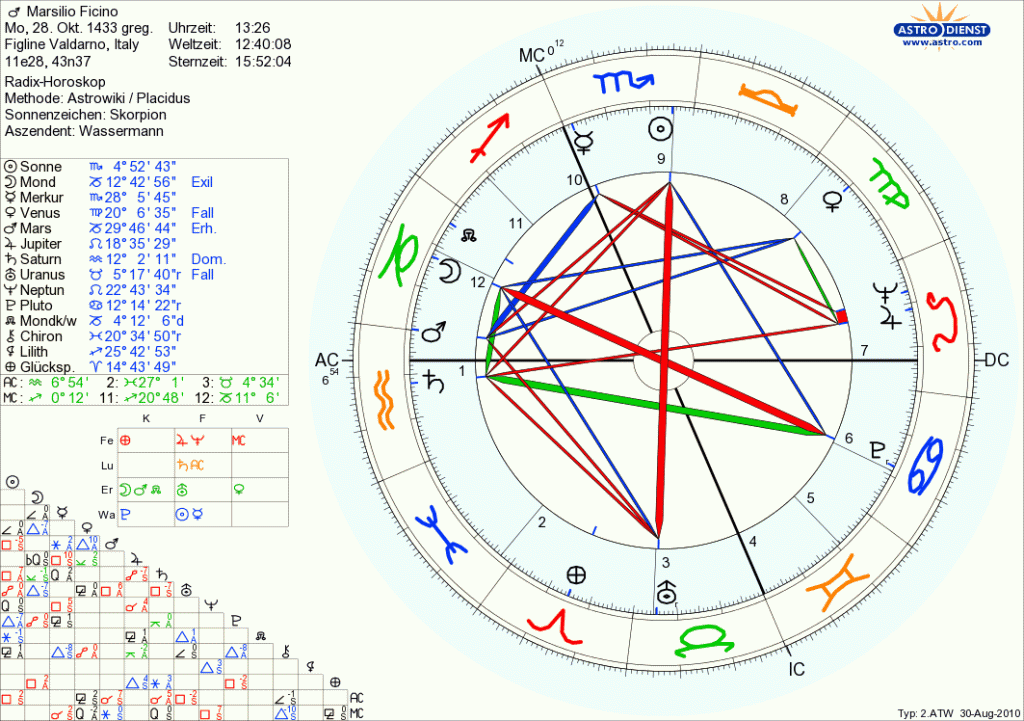
Der italienische Renaissance-Astrologe Marsilio Ficino (latinisiert Marsilius Ficinus), einflussreichster Humanist des 15. Jahrhunderts, wurde am 28.10.1433 (greg.) um 13:26 LMT (entspricht 12:40 Uhr GMT) in Figline Valdarno bei Florenz geboren (etwa 25 km südöstlich der toskanischen Hauptstadt). Er lebte in Florenz und starb am 1.10.1499 (greg.) in Careggio
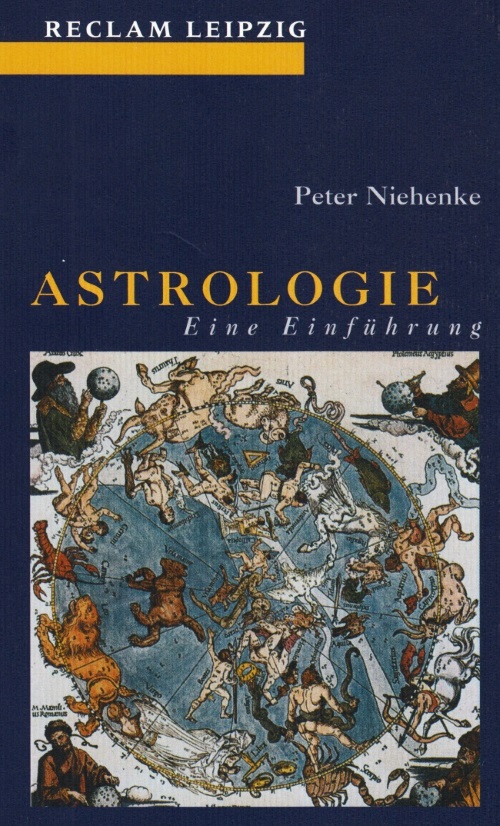
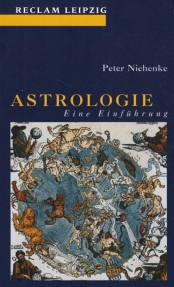
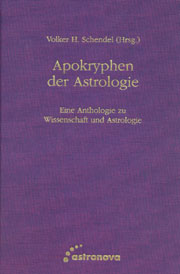
Dr. Peter Niehenke (1949) studierte Mathematik, Physik und Psychologie. Promotion mit der Studie Kritische Astrologie . Von 1981 bis 1991 Erster Vorsitzender des Deutschen Astrologen Verbandes. Herausgeber eines Fernlehrgangs für Astrologie. – https://astronova.de/?manufacturers_id=230
Dr. Peter Niehenke – Psychologische Astrologie – Eine Einführung
*******
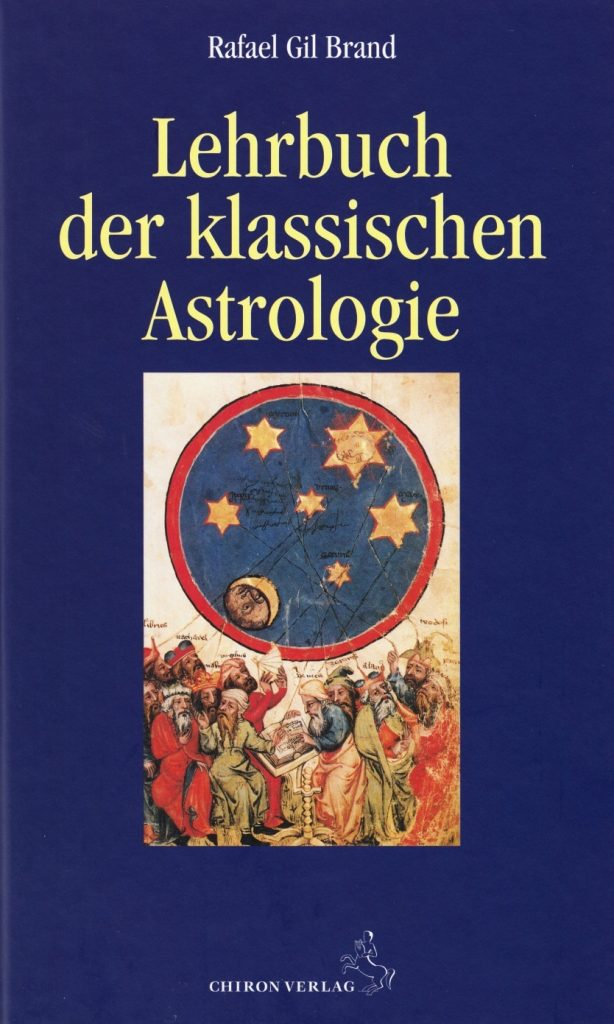
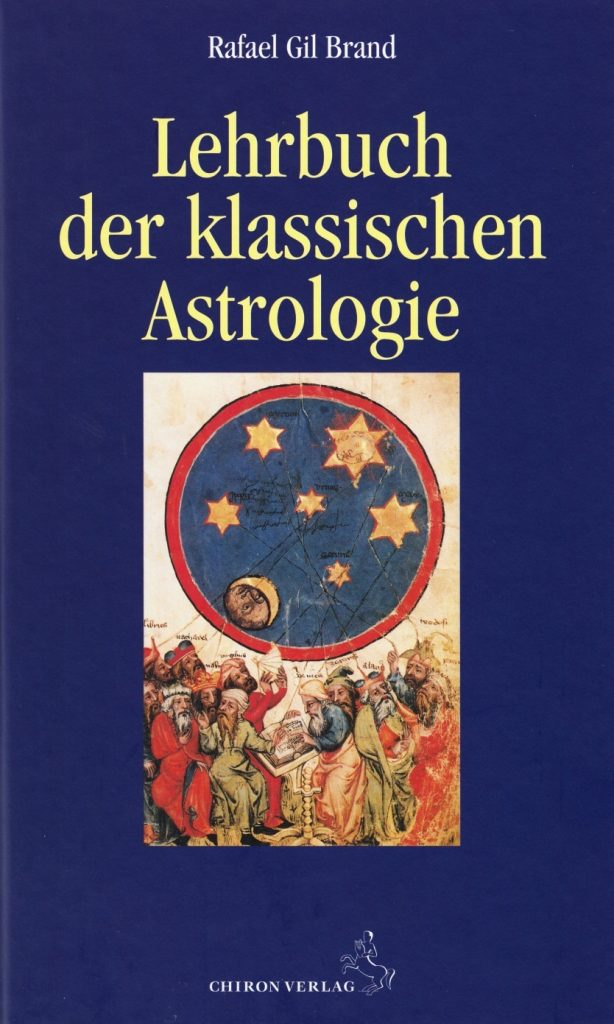
Klassische Astrologie
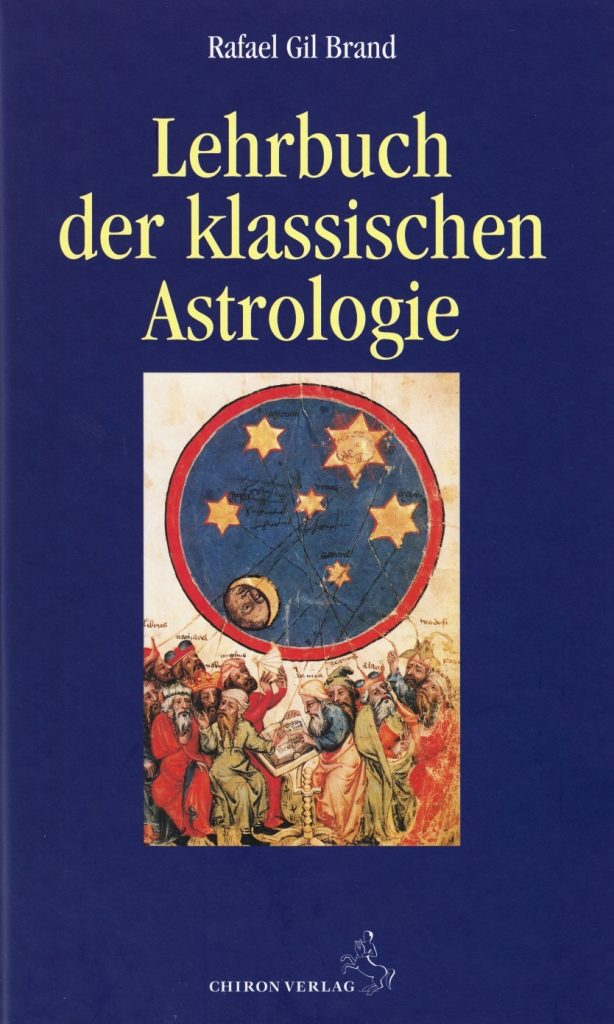
Rafael Gil Brand, geboren 1959 in Madrid. Zweisprachig aufgewachsen. Schauspielausbildung. Astrologie-Ausbildung bei José Luis San Miguel de Pablos. Anschließend Psychologiestudium und Ausbildung zum Gestalttherapeuten 1991 Eröffnung des Zentrums für Astrologie in Hamburg. Verfasser zahlreicher Fachbeiträge in deutschen und spanischen Astrologie-Zeitschriften. – https://astronova.de/?manufacturers_id=155
*******
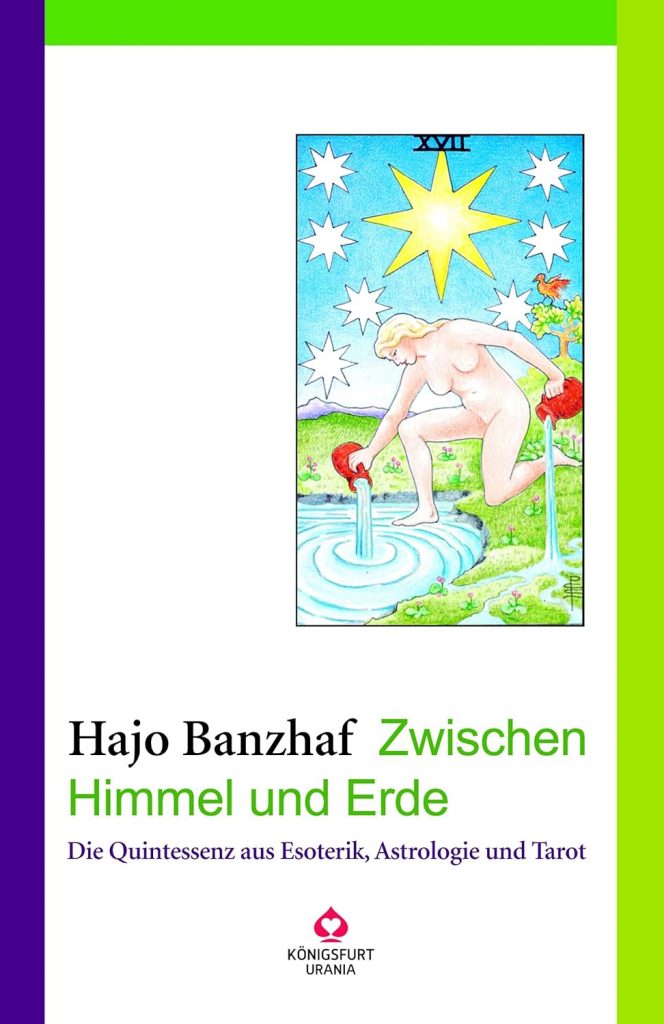
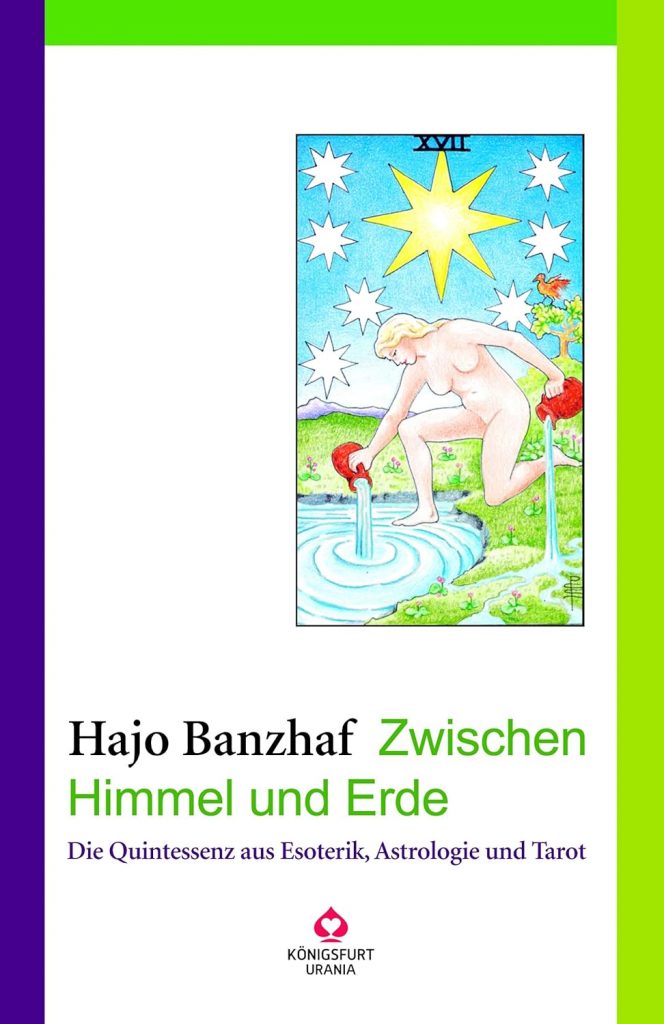
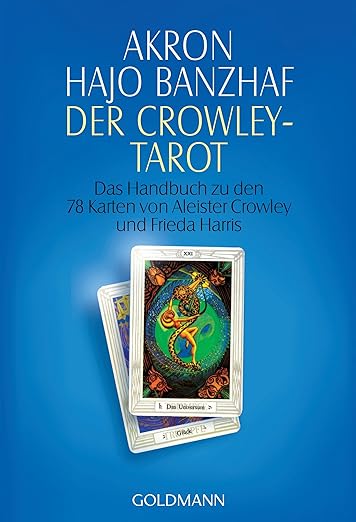
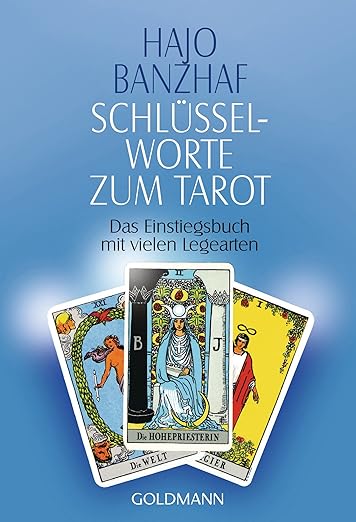
Hajo Banzhaf
Hajo Banzhaf (1949 – 2009), studierte Philosophie an der Unversität Münster. Danach Banklehre in München mit anschließender 12-jähriger Banklaufbahn. Ab 1985 freiberuflich tätig als Autor, Seminarleiter und Astrologe. Hajo Banzhaf hielt regelmäßig Tarotseminare, veröffentlichte Beiträge in bekannten Zeitschriften und hielt Vorträge über Tarot und Astrologie.
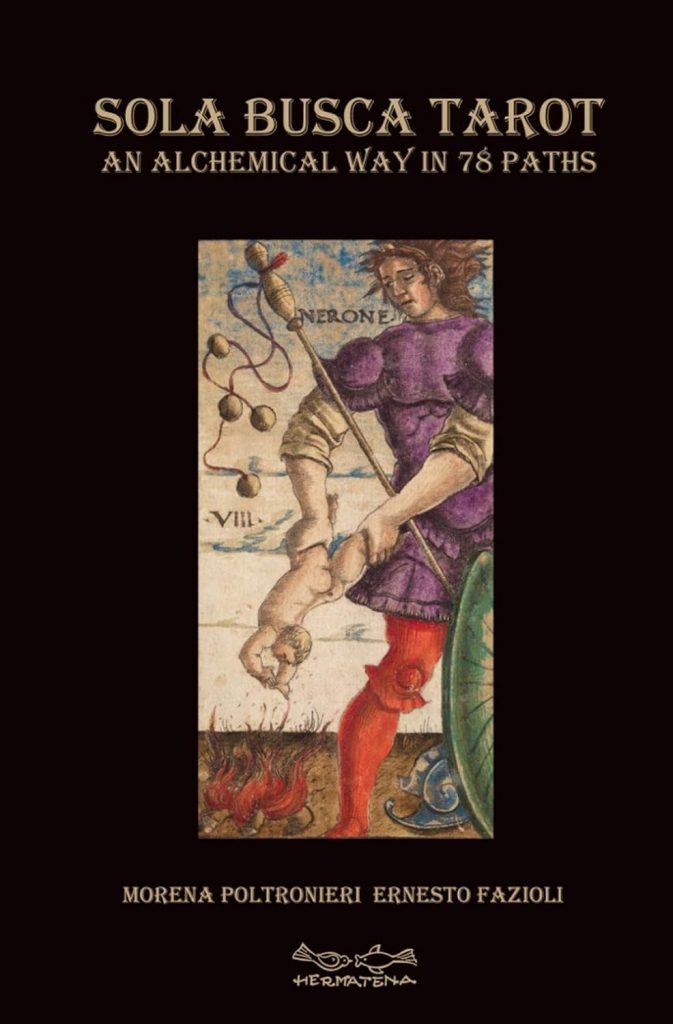
Das Sola-Busca-Deck gilt als das älteste vollständig erhaltene Tarotdeck mit allen 78 Karten. Es entstand vermutlich um 1490–1491 in Italien und ist das früheste bekannte Tarot, bei dem sämtliche Zahlenkarten illustriert sind. Viele Figuren stellen historische, biblische oder mythologische Personen dar und weichen stark von den späteren Standard-Tarots ab.
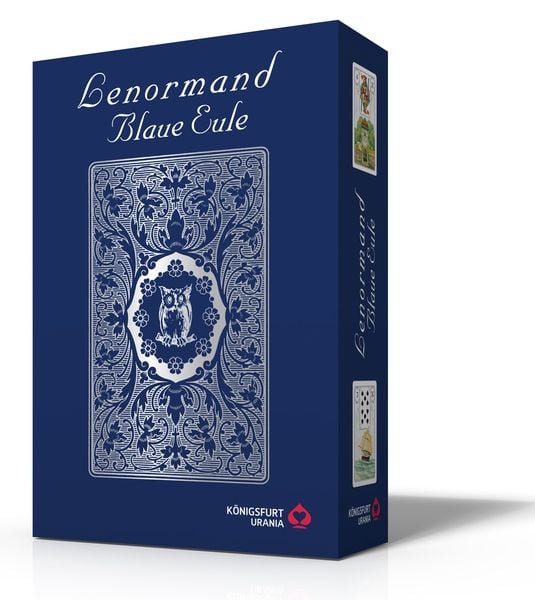
Lenormand Blaue Eule – Premiumausgabe mit Booklet und Karten in Magnetbox (Lenormandkarten Deutsch)
*******
Johann Kaspar Hechtel gilt heute als der eigentliche Urheber der Bildwelt, aus der die modernen Lenormand-Karten entstanden sind. Er war Kaufmann, Fabrikbesitzer, Schriftsteller und Erfinder von Gesellschaftsspielen in Nürnberg – https://de.wikipedia.org/wiki/Johann_Kaspar_Hechtel?utm_source=chatgpt.com – 1799 veröffentlichte Hechtel das Spiel „Das Spiel der Hoffnung“ (Das Spiel der Hoffnung / Le Jeu de l’Espérance). Es war ursprünglich ein Gesellschafts- und Würfelspiel mit 36 Karten. Genau diese 36 Kartenbilder wurden später zur Grundlage des Petit-Lenormand-Decks. – https://de.wikipedia.org/wiki/Lenormandkarten?utm_source=chatgpt.com – Wenn du heute mit der Blauen Eule legst, arbeitest du im Kern mit Symbolen, die Johann Kaspar Hechtel vor über 225 Jahren in Nürnberg geschaffen hat. – Die Blaue Eule wurde Anfang der 1990er Jahre vom Verlag Königsfurt-Urania veröffentlicht. Die Motive basieren jedoch auf viel älteren historischen Vorlagen des 19. Jahrhunderts, die wiederum auf Hechtels „Spiel der Hoffnung“ von 1799 zurückgehen. – Das Deck ist also keine moderne Neuschöpfung, sondern eine Restaurierung und Weiterführung einer traditionellen Bildreihe.
Der italienische Renaissance-Astrologe Marsilio Ficino (latinisiert Marsilius Ficinus), einflussreichster Humanist des 15. Jahrhunderts, wurde am 28.10.1433 (greg.) um 13:26 LMT (entspricht 12:40 Uhr GMT) in Figline Valdarno bei Florenz geboren (etwa 25 km südöstlich der toskanischen Hauptstadt). Er lebte in Florenz und starb am 1.10.1499 (greg.) in Careggio
Ich habe oft Gelegenheit gehabt und genommen zu sagen, ‚es muß sich einer in die Astrologie stürzen, denn da ist etwas zu holen‘ […] Die Astrologie wird nun wol in Aufnahme kommen.
Dank von Ulrich v. Wilamowitz-Moellendorff (1848–1931) an Franz Boll für die Übersendung seiner Dissertation über Claudius Ptolemäus, 2.7.1894; Stephan Heilen, „Wilamowitz und Franz Boll: Ein Gelehrtenbriefwechsel (1894–1923)“, in: MÜLKE, Markus (Hg.), Wilamowitz und kein Ende: Wissenschaftliches Kolloquium, Fondation Hardt, 9. bis 13. September 2002: Wilhelm M. Calder II zum 70. Geburtstag von Freunden und Schülern, Hildesheim/Zürich/New York 2003, S. 87–159 (S. 96).
Copernicus and the Astrologers with Robert Westman
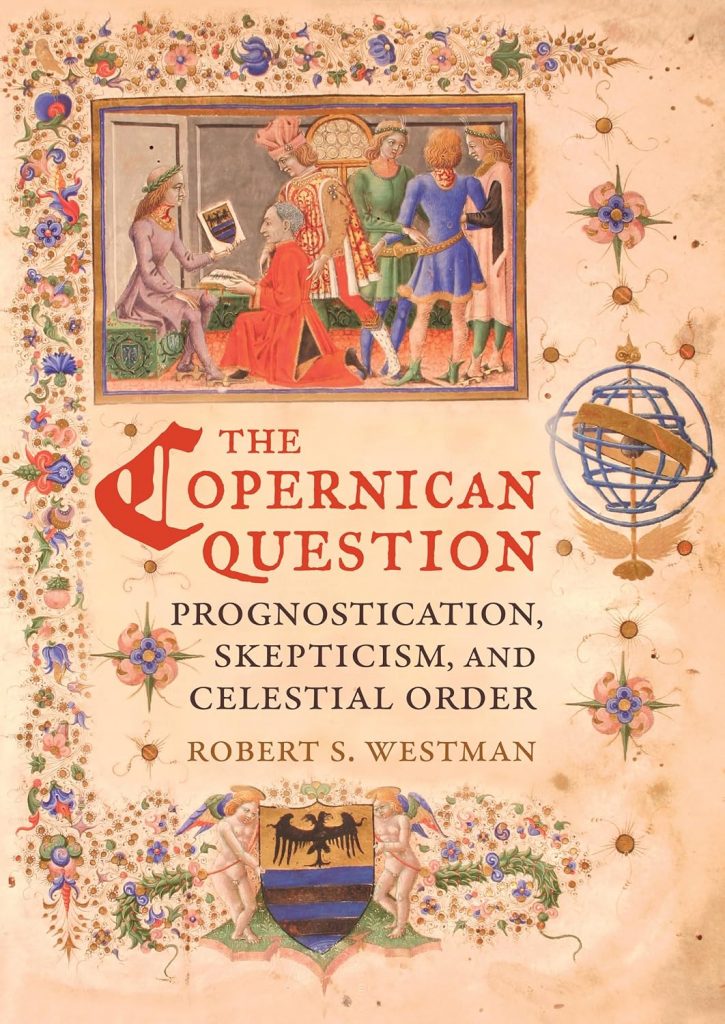
The Copernican Question: Prognostication, Skepticism, and Celestial Order des Wissenschaftshistorikers Robert S. Westman zählt zu den bedeutendsten Werken der modernen Forschung über die Entstehung des heliozentrischen Weltbildes. Das 2011 erschienene Buch stellt eine grundlegende Neubewertung der sogenannten „kopernikanischen Revolution“ dar und hinterfragt zahlreiche traditionelle Erklärungen dafür, weshalb Nicolaus Copernicus im Jahr 1543 sein Werk De revolutionibus orbium coelestium veröffentlichte, in dem die Sonne und nicht mehr die Erde als Mittelpunkt des Planetensystems dargestellt wird. Während die klassische Geschichtsschreibung Copernicus häufig als einsamen wissenschaftlichen Revolutionär beschreibt, der aufgrund mathematischer Eleganz oder philosophischer Überzeugungen ein neues Weltbild entwickelte, verfolgt Westman einen deutlich umfassenderen Ansatz. Er fragt nicht in erster Linie danach, ob das heliozentrische Modell wissenschaftlich richtiger war als das geozentrische, sondern weshalb Copernicus überhaupt den Anstoß verspürte, das über Jahrhunderte etablierte kosmologische System infrage zu stellen. Diese Fragestellung bezeichnet Westman als die eigentliche „Copernican Question“.
Nach Westman lässt sich diese Frage nur beantworten, wenn man die wissenschaftliche, gesellschaftliche, religiöse und politische Welt des späten Mittelalters und der Renaissance als Ganzes betrachtet. Er argumentiert, dass Copernicus nicht isoliert arbeitete und auch nicht ausschließlich aus theoretischem Interesse handelte. Vielmehr sei seine Arbeit eng mit den praktischen Bedürfnissen seiner Zeit verbunden gewesen. Im Mittelpunkt dieser Bedürfnisse stand die Prognostikation, also die Vorhersage zukünftiger Ereignisse auf Grundlage astronomischer Berechnungen. Heute wird Astrologie häufig als Gegensatz zur Wissenschaft verstanden. Im Europa des 15. und frühen 16. Jahrhunderts war diese Trennung jedoch unbekannt. Astronomie und Astrologie bildeten zwei eng miteinander verbundene Bereiche derselben Gelehrsamkeit. Die Astronomie berechnete die Positionen der Himmelskörper, während die Astrologie diese Berechnungen nutzte, um Aussagen über Wetter, Gesundheit, Politik, Kriege, Ernten oder das Schicksal einzelner Menschen zu treffen. Ohne zuverlässige astronomische Daten konnte keine seriöse astrologische Prognose erstellt werden.
Westman macht deutlich, dass astrologische Vorhersagen keineswegs eine Randerscheinung oder bloßer Aberglaube waren. Sie gehörten vielmehr zum wissenschaftlichen Alltag europäischer Universitäten. Ärzte verwendeten astrologische Tabellen, um den günstigsten Zeitpunkt für Aderlässe oder Operationen zu bestimmen. Herrscher ließen Horoskope erstellen, bevor sie Kriege begannen, Verträge schlossen oder dynastische Ehen arrangierten. Kaufleute interessierten sich für Wetterprognosen, die auf Planetenkonstellationen beruhten. Auch kirchliche Kalender, insbesondere die Berechnung des Osterdatums, setzten exakte astronomische Kenntnisse voraus. Astronomie besaß daher einen unmittelbaren praktischen Nutzen und war weit mehr als eine theoretische Beschäftigung mit den Sternen.
Genau in diesem Bereich erkennt Westman eine tiefgreifende Krise. Das seit der Antike dominierende geozentrische Weltbild des Claudius Ptolemäus war zwar mathematisch außerordentlich leistungsfähig, wurde jedoch im Laufe der Jahrhunderte immer komplizierter. Um die tatsächlichen Bewegungen der Planeten zu erklären, mussten zahlreiche Hilfskonstruktionen eingeführt werden. Dazu gehörten Exzenter, Epizykel, Deferenten und insbesondere der sogenannte Äquant, der mit der aristotelischen Vorstellung gleichförmiger Kreisbewegungen nur schwer vereinbar war. Das ptolemäische Modell konnte zwar Beobachtungen annähernd reproduzieren, besaß jedoch keine überzeugende physikalische Erklärung und wirkte zunehmend künstlich. Viele Gelehrte empfanden diese Konstruktionen als unbefriedigend.
Hinzu kam, dass unterschiedliche astronomische Tafeln teilweise erheblich voneinander abwichen. In Europa existierten verschiedene Planetentabellen, etwa die Alfonsinischen Tafeln oder regionale Neuberechnungen, die nicht immer dieselben Ergebnisse lieferten. Für Astrologen und Kalenderrechner stellte dies ein ernstes Problem dar. Wenn zwei Astronomen für denselben Zeitpunkt unterschiedliche Planetenkonstellationen berechneten, mussten zwangsläufig auch die darauf beruhenden Vorhersagen voneinander abweichen. Dadurch geriet die Glaubwürdigkeit der gesamten Prognostik in Gefahr. Westman argumentiert, dass genau diese Unsicherheit ein entscheidender Antrieb für die Suche nach einem besseren astronomischen System gewesen sei.
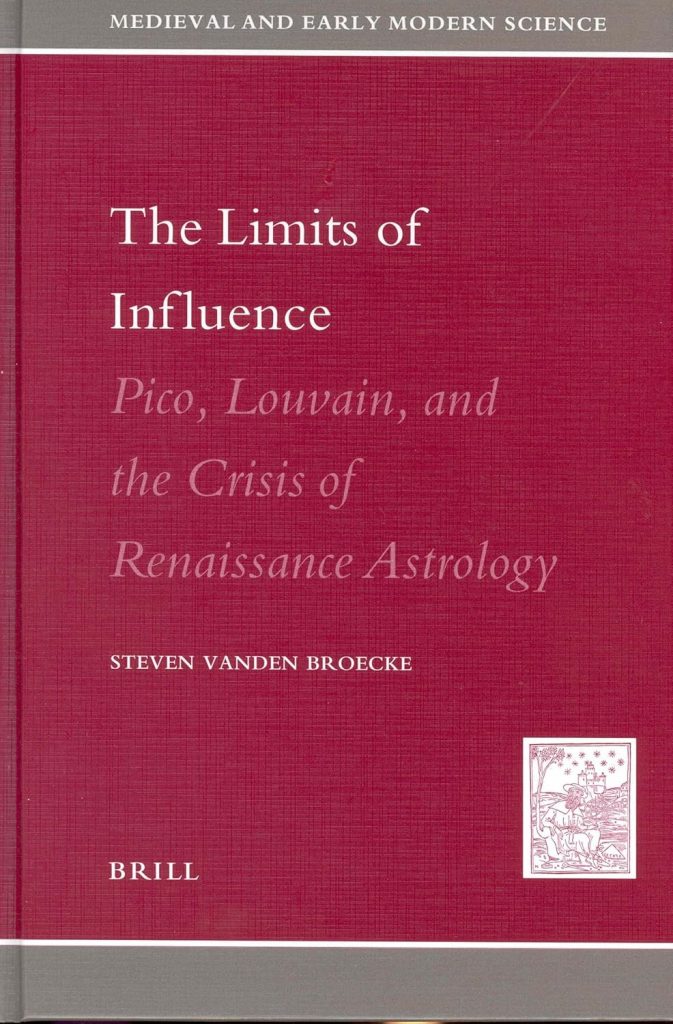
Ein weiterer zentraler Begriff des Buches ist der Skeptizismus. Westman verwendet diesen Begriff jedoch nicht im modernen Sinn einer wissenschaftlichen Grundhaltung, sondern beschreibt damit eine historische Entwicklung des späten 15. Jahrhunderts. Immer mehr Gelehrte begannen daran zu zweifeln, ob astrologische Vorhersagen tatsächlich zuverlässig seien. Diese Zweifel entstanden nicht nur unter Theologen, sondern auch innerhalb der Gelehrtenwelt selbst. Humanisten kritisierten die Astrologie, weil sie den freien Willen des Menschen bedrohe oder auf mathematisch fragwürdigen Grundlagen beruhe. Besonders einflussreich war Giovanni Pico della Mirandola, dessen umfangreiche Schrift gegen die Astrologie viele ihrer theoretischen Voraussetzungen angriff. Nach Pico konnten astrologische Aussagen schon deshalb nicht zuverlässig sein, weil die astronomischen Grundlagen ungenau seien. Für Westman ist diese Kritik von zentraler Bedeutung, da sie den Druck auf die Astronomie erheblich erhöhte. Wollte man die Astrologie retten, musste zunächst die Astronomie reformiert werden.
Hier setzt nach Westmans Interpretation Copernicus an. Er entwickelte das heliozentrische Modell nicht deshalb, weil er die Erde aus philosophischen Gründen entthronen wollte, sondern weil er nach einer konsistenteren mathematischen Ordnung des Himmels suchte. Indem die Sonne in den Mittelpunkt gestellt wurde, ließen sich zahlreiche Erscheinungen einfacher erklären. Die rückläufigen Bewegungen der Planeten erschienen nun nicht mehr als komplizierte Schleifen, sondern ergaben sich aus der unterschiedlichen Bewegung der Erde und der anderen Planeten um die Sonne. Auch die Reihenfolge der Planeten, ihre Helligkeitsschwankungen sowie ihre Umlaufzeiten ließen sich systematischer verstehen. Für Copernicus war dies vor allem ein Gewinn an Ordnung und Berechenbarkeit.
Westman betont dabei ausdrücklich, dass Copernicus zunächst keineswegs alle Epizykel abschaffte. Sein System war mathematisch ebenfalls komplex und beruhte weiterhin auf Kreisbahnen. Dennoch besaß es eine neue innere Logik. Die Sonne bildete den natürlichen Bezugspunkt der Planetensystematik. Dadurch entstand ein harmonischeres Gesamtbild des Kosmos, das weniger willkürlich erschien als das ptolemäische System. Gerade diese neue Ordnung bezeichnet Westman als „Celestial Order“, also als himmlische Ordnung. Die Suche nach einer solchen Ordnung war im Denken der Renaissance eng mit philosophischen Vorstellungen von Harmonie, Symmetrie und göttlicher Schöpfung verbunden. Für viele Gelehrte spiegelte die mathematische Struktur des Universums die Weisheit Gottes wider. Ein geordnetes Weltbild war daher nicht nur wissenschaftlich, sondern auch religiös bedeutsam.
Westman zeigt außerdem, dass Copernicus keineswegs als isolierter Denker betrachtet werden darf. Seine Ausbildung an den Universitäten von Krakau, Bologna, Padua und Ferrara brachte ihn mit den wichtigsten mathematischen, medizinischen und astrologischen Traditionen seiner Zeit in Kontakt. Besonders die italienischen Universitäten waren Zentren intensiver astronomischer und astrologischer Forschung. Dort lernte Copernicus nicht nur mathematische Methoden kennen, sondern erlebte auch unmittelbar die Unsicherheit, die durch widersprüchliche Planetentafeln entstand. Seine spätere Tätigkeit als Domherr bedeutete ebenfalls nicht, dass er ausschließlich kirchliche Aufgaben erfüllte. Vielmehr beschäftigte er sich mit Verwaltungsaufgaben, Kalenderfragen, Medizin und astronomischen Berechnungen. Diese vielfältigen Tätigkeiten machten ihn mit den praktischen Problemen der Zeit vertraut.
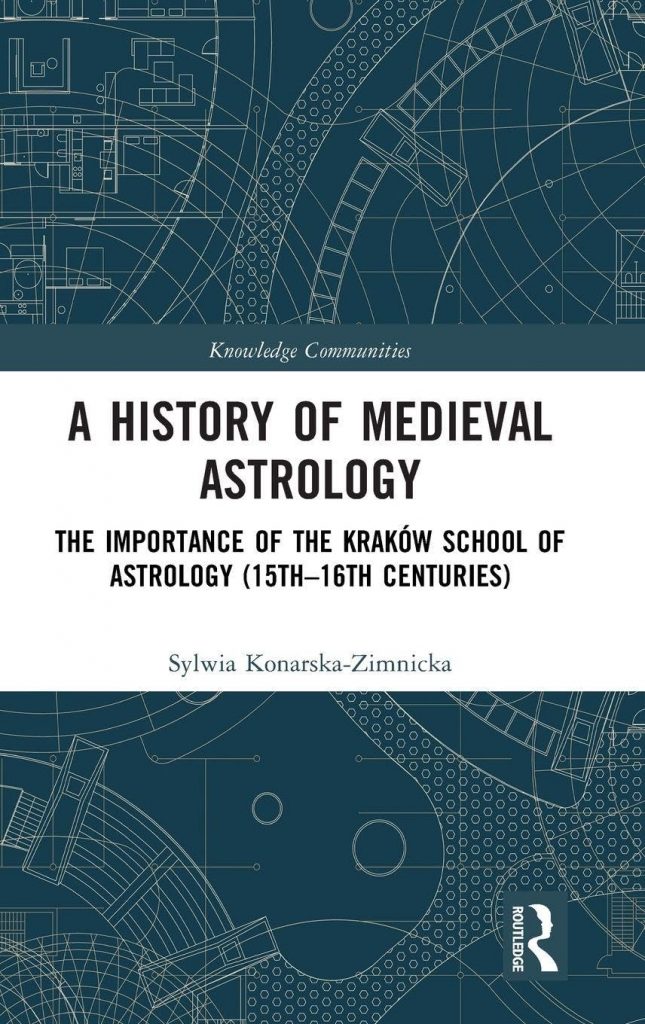
A History of Medieval Astrology: The Importance of the Kraków School of Astrology (15th-16th centuries) (Knowledge Communities)
Ein weiterer wichtiger Aspekt des Buches betrifft die Rolle der Religion. In der populären Darstellung wird häufig behauptet, Copernicus habe sich bewusst gegen die Kirche gestellt. Westman weist jedoch darauf hin, dass diese Sichtweise historisch verkürzt ist. Als De revolutionibus 1543 erschien, wurde das Werk zunächst überwiegend als mathematische Hypothese verstanden. Viele Leser betrachteten es nicht als unmittelbaren Angriff auf die christliche Lehre. Erst mehrere Jahrzehnte später, insbesondere im Zusammenhang mit den Arbeiten von Galileo Galilei und den konfessionellen Spannungen der Reformationszeit, entwickelte sich daraus ein grundlegender Konflikt zwischen heliozentrischer Kosmologie und kirchlicher Autorität. Copernicus selbst veröffentlichte sein Werk erst kurz vor seinem Tod und suchte keine öffentliche Konfrontation.
Besondere Aufmerksamkeit widmet Westman den zahlreichen Gelehrten, die Copernicus beeinflussten oder mit ähnlichen Problemen beschäftigt waren. Dazu gehören Regiomontanus und Georg von Peuerbach, die das ptolemäische System kritisch überarbeiteten, ebenso wie Humanisten und Philosophen, die über die Grenzen astrologischer Erkenntnis diskutierten. Auch spätere Astronomen wie Tycho Brahe oder Johannes Kepler erscheinen bei Westman nicht lediglich als Nachfolger Copernicus‘, sondern als Teilnehmer einer langfristigen Entwicklung, die sich über mehrere Generationen erstreckte. Die sogenannte kopernikanische Revolution erscheint dadurch nicht mehr als plötzlicher Bruch, sondern als Ergebnis eines langen historischen Prozesses.
Methodisch zeichnet sich Westmans Werk durch eine außergewöhnlich breite Quellenbasis aus. Er untersucht nicht nur die bekannten Schriften von Copernicus, sondern wertet Universitätsakten, Vorlesungsmanuskripte, Briefe, astrologische Almanache, Prognostiken, Kalender, Drucke, Handschriften und mathematische Tabellen aus. Dadurch gelingt es ihm, das intellektuelle Umfeld der Renaissance äußerst detailliert zu rekonstruieren. Seine Argumentation beruht nicht auf einer einzelnen spektakulären Quelle, sondern auf der Zusammenschau zahlreicher Dokumente, die gemeinsam ein neues Bild der Wissenschaftsgeschichte ergeben.
Die wichtigste Innovation des Buches besteht darin, die Astrologie nicht als irrationales Randphänomen abzutun, sondern als ernst zu nehmenden Bestandteil der damaligen Wissenschaft zu verstehen. Westman fordert Historiker dazu auf, die Vergangenheit nicht mit modernen Maßstäben zu beurteilen. Für einen Gelehrten des 16. Jahrhunderts war es völlig selbstverständlich, Astronomie und Astrologie gemeinsam zu betreiben. Erst die Entwicklungen der Aufklärung führten zu einer scharfen Trennung beider Disziplinen. Wer verstehen möchte, weshalb Copernicus seine Theorie entwickelte, müsse daher auch die Bedeutung astrologischer Prognosen ernst nehmen.
Westmans Interpretation hat die Forschung nachhaltig beeinflusst, ist jedoch nicht unumstritten. Einige Historiker halten seine Betonung der Astrologie für übertrieben und verweisen stärker auf mathematische oder philosophische Motive. Andere sehen den Einfluss des Neuplatonismus oder die Suche nach ästhetischer Harmonie als entscheidender an. Wieder andere vertreten eine Mehrfaktoren-Erklärung, nach der mathematische Probleme, philosophische Überzeugungen, religiöse Fragen, institutionelle Entwicklungen und astrologische Praxis gemeinsam zur Entstehung des heliozentrischen Weltbildes beitrugen. Dennoch besteht weitgehend Einigkeit darüber, dass Westman den Blick auf die praktische Funktion der Astronomie grundlegend erweitert hat.
Zusammenfassend lässt sich festhalten, dass The Copernican Question nicht lediglich eine Biographie von Copernicus oder eine Geschichte des Heliozentrismus ist. Vielmehr handelt es sich um eine umfassende Untersuchung der wissenschaftlichen Kultur Europas an der Schwelle zur Neuzeit. Westman zeigt, dass wissenschaftliche Revolutionen nicht allein durch geniale Einzelpersonen entstehen, sondern aus einem komplexen Zusammenspiel gesellschaftlicher Bedürfnisse, institutioneller Strukturen, intellektueller Debatten und praktischer Probleme hervorgehen. Die Krise der astronomischen Berechnungen, das schwindende Vertrauen in astrologische Prognosen, die Suche nach einer geordneten Struktur des Himmels sowie der Wunsch nach zuverlässigeren mathematischen Grundlagen bildeten gemeinsam den historischen Kontext, in dem Copernicus seine Theorie entwickelte. Gerade diese Verbindung von Wissenschafts-, Kultur-, Sozial- und Ideengeschichte macht Westmans Werk zu einem der einflussreichsten Beiträge der modernen Copernicus-Forschung.
Volker H. Schendel only has the right to publish the conversation uncut and unedited on freely accessible video platforms (i.e. no paywalls) and on his homepages. – Our Guest has the right to shorten, edit or add as he wishes and to publish it on his websites and video-platforms according to his liking
The Enigma of Astrology – a deep mystery – a challenging anomaly for the modern mind – Astrology in the approach to life – a lighthearted conversation between Academia and practice in Astrology
*******
How should we understand the remarkable historical correspondences between planetary cycles and cultural transformations without falling into deterministic thinking?
How has your engagement with archetypal astrology changed your understanding of freedom, agency, and moral responsibility?
You have written extensively about archetypal cosmology. In what sense are archetypes ontologically real, and how does astrology illuminate their relationship to lived experience?
Would you argue that astrology reveals something about the structure of reality itself, or primarily about the structure of human consciousness?
If astrology is fundamentally symbolic rather than causal, what standards of intellectual rigor should govern its interpretation?
How can astrology avoid becoming merely a projection of psychological narratives while still honoring the symbolic richness of archetypal experience?
How do you distinguish meaningful synchronicity from confirmation bias without reducing either to purely subjective interpretation?
If astrology has survived for millennia across vastly different civilizations, what does that historical persistence itself tell us about human cognition and our relationship to the cosmos?
Is the current scientific paradigm capable of accommodating astrology, or would its serious consideration require a Kuhnian paradigm shift of comparable magnitude to the Copernican revolution?
*******
Richard Tarnas (born February 21, 1950, in Geneva, Switzerland) is an American cultural historian, philosopher, psychologist, and writer best known for his work on the history of Western thought, depth psychology, archetypal cosmology, and astrology. He is particularly associated with the idea that planetary cycles may correspond symbolically with patterns in individual and collective human experience.
Tarnas grew up in Detroit, Michigan, in a large family. He studied Greek, Latin, and the Classics at the University of Detroit Jesuit High School and Academy. He subsequently attended Harvard University, graduating cum laude with an A.B. in 1972. He received his Ph.D. from Saybrook Institute in 1976.
A major turning point in his intellectual life came when he went to Esalen Institute in Big Sur, California, in the 1970s. He spent roughly a decade there, studying and working in an environment strongly influenced by depth psychology, transpersonal psychology, philosophy, spirituality, and consciousness studies. He worked closely with figures such as Stanislav Grof and encountered thinkers including Joseph Campbell, Gregory Bateson, Huston Smith, and James Hillman. Tarnas eventually became Esalen’s director of programs and education.
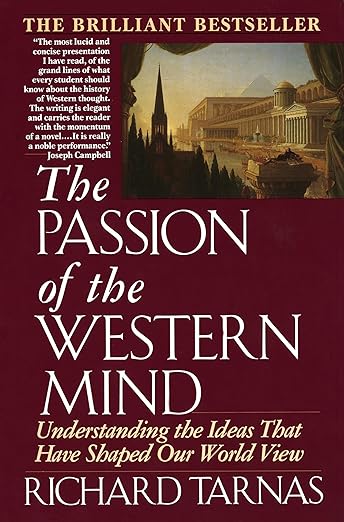
His first major book was The Passion of the Western Mind, published in 1991. The book traces the development of Western thought from ancient Greece through Christianity, the Renaissance, the Scientific Revolution, the Enlightenment, Romanticism, and modernity. It became widely used as an introduction to the history of Western intellectual thought.
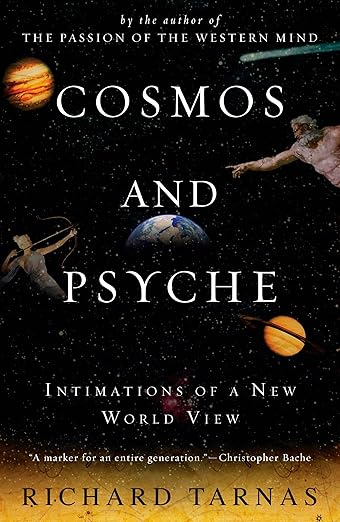
Tarnas’s second major book, Cosmos and Psyche: Intimations of a New World View (2006), marked a significant development of his ideas. Drawing on Jungian psychology, mythology, philosophy, cultural history, and astrology, he proposed what he calls archetypal cosmology. He argues that planetary cycles can be studied in relation to recurring patterns in human biography and history. The book received the Book of the Year Prize from the Scientific and Medical Network.
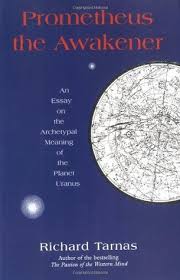
Tarnas also wrote Prometheus the Awakener, which focuses on Uranus and its proposed archetypal relationship with themes such as revolutionary change, innovation, liberation, and transformation. His broader work attempts to reconsider the relationship between psyche and cosmos, challenging the assumption that subjective human experience and the objective universe must be understood as completely separate domains.
For about 30 years, Tarnas taught at the California Institute of Integral Studies (CIIS) in San Francisco. He was the founding director of its Philosophy, Cosmology, and Consciousness program, teaching subjects including the history of ideas, depth psychology, archetypal cosmology, cultural history, and the evolution of consciousness. He is now Professor Emeritus.
He has also been involved with the International Transpersonal Association and served on the Board of Governors of the C. G. Jung Institute of San Francisco.
In short
Richard Tarnas’s career can be understood as a movement across several fields:
Classical studies → Western intellectual history → depth psychology → transpersonal psychology → consciousness studies → archetypal cosmology → astrology.
His central intellectual concern has been the relationship between human consciousness, historical development, psychological archetypes, and the cosmos. Rather than treating astrology simply as fortune-telling, Tarnas presents it as part of a broader philosophical inquiry into whether the universe might have a meaningful symbolic relationship with human experience.
His two most important books are The Passion of the Western Mind (1991) and Cosmos and Psyche (2006). Together, they provide the clearest overview of his intellectual development: the first explains how Western consciousness developed, while the second asks whether that consciousness may need to be reconnected with a more participatory and archetypal understanding of the cosmos.
You have described astrology as an unresolved anomaly for the modern worldview. What, in your view, prevents contemporary academia from engaging with it as a legitimate philosophical question rather than dismissing it as a settled issue?
Your work challenges the Cartesian separation between mind and cosmos. What kind of epistemology would be required for astrology to become intellectually conceivable within contemporary scholarship?
Do you see astrology as evidence for an enchanted cosmos, or rather as an invitation to rethink the assumptions underlying modern scientific materialism?
You have written extensively about archetypal cosmology. In what sense are archetypes ontologically real, and how does astrology illuminate their relationship to lived experience?
How do you distinguish meaningful synchronicity from confirmation bias without reducing either to purely subjective interpretation?
Could astrology be understood as a participatory mode of knowing rather than a predictive system? What would such a shift imply for philosophy of science?
Do you believe the central challenge for astrology today is empirical validation, or is it primarily a crisis of interpretation and worldview?
If astrology is fundamentally symbolic rather than causal, what standards of intellectual rigor should govern its interpretation?
How can astrology avoid becoming merely a projection of psychological narratives while still honoring the symbolic richness of archetypal experience?
Your intellectual journey bridges philosophy, psychology, history, and astrology. Which discipline, in your view, currently offers the greatest opportunity for a serious dialogue with astrology—and why?
How should we understand the remarkable historical correspondences between planetary cycles and cultural transformations without falling into deterministic thinking?
To what extent does astrology challenge the prevailing distinction between objective knowledge and subjective meaning?
Would you argue that astrology reveals something about the structure of reality itself, or primarily about the structure of human consciousness?
How has your engagement with archetypal astrology changed your understanding of freedom, agency, and moral responsibility?
Many critics argue that astrology lacks falsifiability. Do you think falsifiability is an appropriate criterion for evaluating symbolic systems of knowledge?
Is the current scientific paradigm capable of accommodating astrology, or would its serious consideration require a Kuhnian paradigm shift of comparable magnitude to the Copernican revolution?
If astrology has survived for millennia across vastly different civilizations, what does that historical persistence itself tell us about human cognition and our relationship to the cosmos?
How do you envision a productive collaboration between practicing astrologers and academic researchers without reducing one perspective to the assumptions of the other?
What unanswered philosophical question about astrology do you consider the most important for the next generation of scholars?
If you were designing a university curriculum for the study of astrology today, what intellectual traditions and methodological approaches would be essential?
Looking back over your life’s work, what aspect of astrology do you believe remains most profoundly misunderstood—not only by skeptics, but also by astrologers themselves?
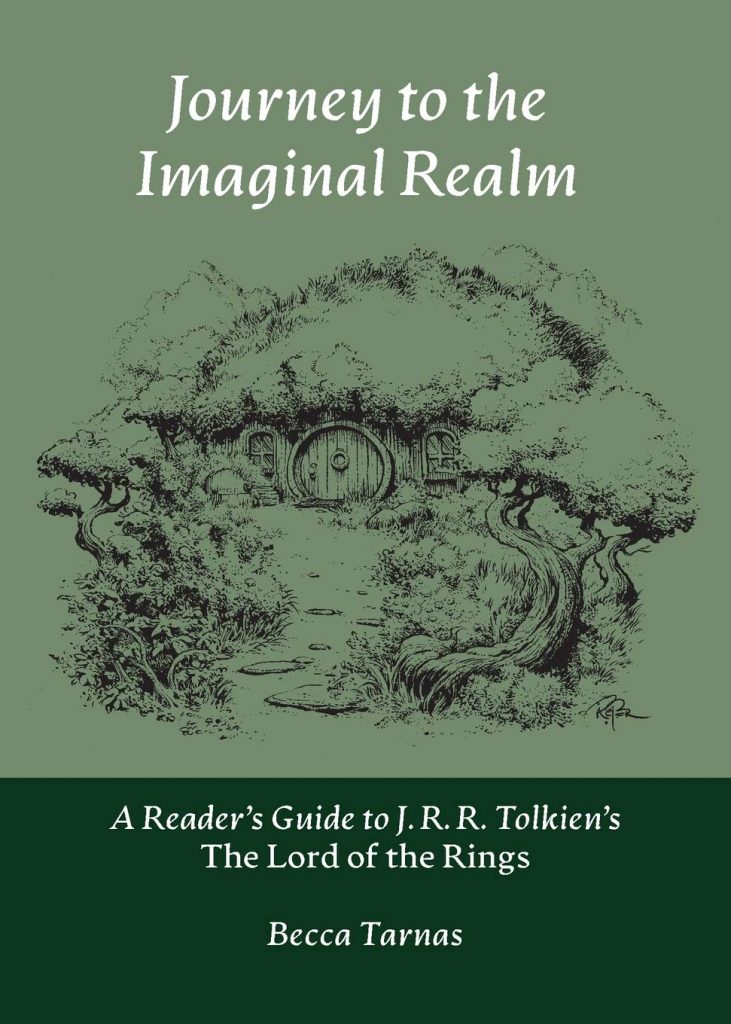
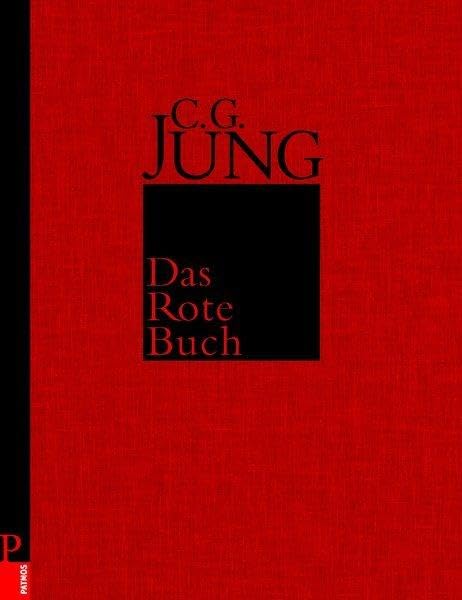
Becca Tarnas, PhD, is Assistant Professor in the Philosophy, Cosmology, and Consciousness program at the California Institute of Integral Studies. She received her doctorate from CIIS, with her dissertation titled The Back of Beyond: The Red Books of C.G. Jung and J.R.R. Tolkien. Her research interests include depth psychology, archetypal studies, literature, philosophy, and the ecological imagination. Becca is an editor of Archai: The Journal of Archetypal Cosmology and author of the book Journey to the Imaginal Realm: A Reader’s Guide to J.R.R. Tolkien’s The Lord of the Rings. She is currently researching and writing a biography of Stanislav Grof, one of the co-founders of transpersonal psychology.
Hauptfilmliste CIIS – Prof. Dr. phil. Becca Tarnas
Volker H. Schendel only has the right to publish the conversation uncut and unedited on freely accessible video platforms (i.e. no paywalls) and on his homepages. – Our Guest has the right to shorten, edit or add as she wishes and to publish it on her websites and video-platforms according to her liking
Talk 1 – am 8. Juli 2026 – Archetypal Astrology – Philosophy of Astrology
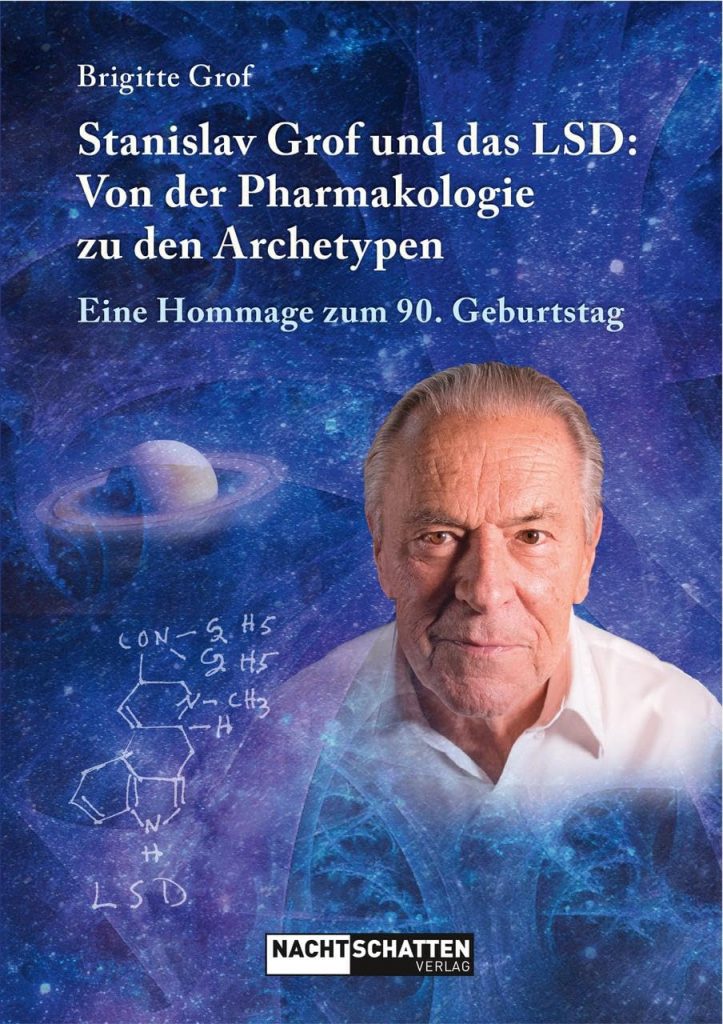
Stanislav Grof und das LSD – Von der Pharmakologie zu den Archetypen – Eine Hommage zum 90. Geburtstag
Der Wissenschaftler, Psychiater und Psychonaut Stanislav Grof erforscht seit Jahrzehnten transpersonale Erfahrungen mit Psychedelika, holotrope Bewusstseinszustände und ihre Bedeutung für das spirituelle Erwachen der Menschheit. Dieses Buch zu Ehren seines 90. Geburtstags vermittelt tiefe Einblicke in Grofs Leben und Wirken in einem großen Interview mit seiner Frau Brigitte. Mit eindrücklichen Würdigungen von Freunden und Zeitgenossen sowie zahlreichen Fotos und Illustrationen. «Wenn ich der Vater des LSD bin, dann ist Stan Grof der Pate. Niemand hat so viel zur Entwicklung meines Problemkindes beigetragen wie Stan». Albert Hofmann, Forschungschemiker und Autor von LSD: Mein Sorgenkind «Es gibt nur wenige Menschen auf der Welt, die eine wirklich grundlegende Entdeckung nicht nur über die Welt, sondern auch über uns gemacht haben. Über unser wahres Selbst. Stan Grof ist einer dieser Menschen. (…) Sein Denken und seine Arbeit werden ein Vielfaches seiner 90 Jahre überdauern. (…) Lang lebe der Psychonaut Stanislav Grof!» Ervin László, PhD., Wissenschaftsphilosoph, Systemtheoretiker
Stanislav Grof, LSD Pioneer: From Pharmacology to Archetypes – Englisch Ausgabe
Park Street Press – Erscheinungstermin : 26. September 2023 – Sprache : Englisch – Seitenzahl der Print-Ausgabe : 160 Seiten – ISBN-10 : 1644119463
“If I am the father of LSD, Stan Grof is the godfather. Nobody has contributed as much as Stan for the development of my problem child.” ― Dr. Albert Hofmann, research chemist and author of LSD: My Problem Child
„This beautiful book is one of the most heartfelt and comprehensive explorations ever written about the life work of Dr. Stanislav Grof. Readers will find it to be a cornucopia of information and celebration of one of the great explorers and researchers of our age—a must-read for anyone interested in psychotherapy and depth psychology, psychedelics, breathwork, shamanism, comparative religion, and the emerging new paradigm in science.“ ― Renn Butler, PhD, director of Grof Studies Graduate Programs and author of Pathways to Wholeness
“If I am the father of LSD, Stan Grof is the godfather. Nobody has contributed as much as Stan for the development of my problem child.” ― Albert Hofmann, Ph.D., research chemist and author of LSD: My Problem Child
“A rich and exciting history, offering inspiring insight and multiple dimensions of one of the greatest pioneers of modern consciousness.” ― Jack Kornfield, Ph.D., author of The Wise Heart
“Stan Grof may have contributed as much to our understanding of the human mind, its potentials, pathologies, and possibilities, as Freud or Jung or Maslow. We will be exploring the far-reaching implications of his many discoveries—so beautifully described and acknowledged in this book—for decades.” ― Roger Walsh, M.D., Ph.D., professor at the University of California, Irvine
“Stan is the primary catalyst of the psychedelic renaissance. He kept the psychedelic flame alive in the dark decades of the global suppression of psychedelic research. This book is a gift of love from Brigitte to Stan and from Brigitte to the world.” ― Rick Doblin, Ph.D., founder and president of the Multidisciplinary Association for Psychedelic Studi
“Stan, you are a light and inspiration to me and many others. Your far-sighted and prophetic work is helping to transform our culture for the better.” ― Rupert Sheldrake, Ph.D., author of Ways to Go Beyond and Why They Work
“Brigitte’s creative homage to Stan is a book of treasures for all those who have been influenced and inspired by this extraordinary thinker, visionary, and healer: the wonderful personal photos, the history and memories, the loving tributes from friends and colleagues, and the long interview, in which he shares his newly clarified understanding of the human psyche, revising his cartography to reflect his recognition of the superordinate role of the archetypes as they inform the perinatal matrices, the COEX systems, and the transpersonal.” ― Richard Tarnas, professor of philosophy, cosmology, and consciousness at the California Institute of
“There are few people in the world today who have made a truly fundamental discovery not only about the world but also about us and our real selves. Stan Grof is one of these people. His thoughts and work will live many times more than him to benefit our understanding of life, mind, and that deep layer that we call psyche.” ― Ervin Laszlo, Ph.D., philosopher of science and systems theorist
“Stan changed the course of psychedelic history and touched the lives of a generation. The pictures included alone are a treasure, and the tributes give glimpses into the psychedelic community that has surrounded him.” ― Christopher M. Bache, Ph.D., author of LSD and the Mind of the Universe
Über den Autor und weitere Mitwirkende
Brigitte Grof, PhD, is a psychologist, psychotherapist, artist, and the wife of Stanislav Grof. She earned a PhD in Grof Studies from Ubiquity University. She first met Grof in 1986 in Germany and then in a Grof month-long holotropic breathwork seminar at the Esalen Institute, which led her to participate in a three-year training with him in Switzerland. Since 1989 she has facilitated holotropic breathwork workshops and trainings. She lives with her husband Stan in Wiesbaden, Germany.
********
1. Early Life and Formation
You’ve spent years reconstructing Stanislav Grof’s life story. Looking back at his childhood in Prague during war and political upheaval, what early experiences seem to have shaped the questions that would guide his life’s work?
2. Choosing Psychiatry
Before Grof became one of the world’s leading consciousness researchers, he chose medicine and psychiatry. What drew him toward these disciplines, and what distinguished him from other young psychiatrists of his generation?
3. The First LSD Experience
Many people describe Grof’s first LSD session as the defining turning point of his intellectual life. From your research, what actually happened during that experience, and why did it transform his worldview so profoundly?
4. The Scientific Climate of the 1950s and 1960s
Today it’s difficult to imagine psychedelics being studied in mainstream psychiatry. What was the scientific atmosphere like when Grof began his research, and how seriously were these investigations taken by the medical community?
5. Thousands of Clinical Sessions
Grof supervised thousands of psychedelic therapy sessions. As his biographer, what patterns or discoveries stand out to you as the most significant outcomes of this extraordinary body of clinical work?
6. Beyond Freud and Jung
At what point did Grof conclude that classical psychoanalytic models were no longer sufficient to explain what he was witnessing, and how did his own framework begin to emerge?
7. Mapping the Psyche
One of Grof’s most influential contributions is his expanded cartography of the psyche. How would you explain this model to someone encountering his work for the first time, and why do you think it remains so compelling?
8. The Perinatal Matrices
The theory of the Basic Perinatal Matrices remains one of Grof’s most original—and controversial—ideas. Based on your research, what evidence convinced him that birth experiences play such a fundamental role in human psychology?
9. Transpersonal Experiences
Grof argued that consciousness can extend beyond the boundaries of the individual self. How did he interpret experiences that appeared to transcend ordinary concepts of space, time, and personal identity?
10. Science and Spirituality
Throughout his career, Grof challenged the assumption that science and spirituality are fundamentally incompatible. How did he envision a relationship between these two ways of understanding reality?
11. Leaving Czechoslovakia
How did Grof’s move from Czechoslovakia to the United States reshape both his scientific career and his intellectual development?
12. The End of Psychedelic Research
When psychedelic research was effectively shut down in the early 1970s, how did Grof respond personally and professionally, and what did this period reveal about his resilience as a researcher?
13. The Birth of Holotropic Breathwork
Unable to continue legal psychedelic research, Grof and Christina Grof developed Holotropic Breathwork. How did this method evolve, and what did they hope it could accomplish that conventional psychotherapy could not?
14. Spiritual Emergency
The concept of „Spiritual Emergency“ has influenced therapists around the world. How did Grof distinguish between a transformative spiritual crisis and a psychiatric disorder requiring medical intervention?
15. Death and Consciousness
Death, dying, and near-death experiences occupy an important place in Grof’s work. How did these investigations shape his own understanding of mortality and the nature of consciousness?
16. Challenging the Materialist Paradigm
One of Grof’s enduring arguments is that a strictly materialist model of consciousness cannot adequately account for the full range of human experience. What do you see as his strongest challenge to the conventional scientific worldview?
17. The Psychedelic Renaissance
Today we’re witnessing a remarkable revival of psychedelic research. In your view, how would Grof assess the current renaissance, and where do you think he would encourage greater depth or caution?
18. Consciousness and Cultural Transformation
Grof often suggested that transformations of consciousness have implications not only for individuals but for civilization itself. How central was this broader cultural vision to his life’s work?
19. The Human Being Behind the Scholar
After spending years immersed in his archives, publications, and personal history, what aspects of Stanislav Grof surprised you most as a human being, beyond his public reputation?
20. Writing the Biography
Writing a biography requires balancing admiration with critical distance. As you’ve worked on this project over the past four years, how has your own understanding of Grof evolved, and have any of your assumptions about him changed?
21. Legacy
If readers were to take away just one enduring insight from Stanislav Grof’s life and work, what do you hope it would be? And what, in your view, is his most important contribution to our understanding of the human mind and consciousness?
Forever Jung? C.G. Jung’s Continued Relevance During Challenging Times A Conference Celebrating Jung’s 150th Birthday – California Institute of Integral Studies – September 19-21, 2025 – Co-Hosted by East-West Psychology Department, CIIS – The C.G. Jung Institute of San Francisco – Jung’s Participatory Imagination by Becca Tarnas https://www.youtube.com/watch?v=rEQIRJP71mw&t=27s – https://talk.vonabisw.de/Jung/Becca2.mp4
Thesis: Astrology as the teaching of Primordial Principles not of the stars or planets. – Therefore the Planets can never be causes – only signs as representative for one of the seven Primordial Principles – now ten. – As above so below. – The Horoscope as the teaching and learning Plan for the life of the Individual. – Lord not my will, but your will be done. –
Stanislav Grof entwickelte die vier Grundlegenden Perinatalen Matrizen (Basic Perinatal Matrices, BPM), um die psychischen und existenziellen Erfahrungen zu beschreiben, die mit den verschiedenen Phasen des Geburtsprozesses verbunden sind. Eine direkte Zuordnung dieser Matrizen zu astrologischen Zeichen oder Planeten stammt jedoch nicht von Grof selbst. Solche Entsprechungen wurden erst später von Vertretern der transpersonalen und archetypischen Astrologie vorgeschlagen und sind als symbolische Interpretationen zu verstehen.
Die erste Perinatale Matrix (BPM I) entspricht der Zeit vor dem Einsetzen der Wehen. Sie steht für einen Zustand ursprünglicher Einheit, Geborgenheit und Verbundenheit mit der Mutter. Symbolisch wird sie häufig mit den Qualitäten von Fische und Neptun in Verbindung gebracht. Beide repräsentieren Grenzenlosigkeit, Verschmelzung, spirituelle Offenheit und das Erleben eines ozeanischen Bewusstseins, das noch keine Trennung zwischen Ich und Welt kennt.
Die zweite Perinatale Matrix (BPM II) beginnt mit dem Einsetzen der Wehen, während der Muttermund noch geschlossen ist. Das ungeborene Kind erlebt starken Druck, ohne einen Ausweg zu finden. Psychologisch steht diese Phase für Enge, Hoffnungslosigkeit, Ausgeliefertsein und existenzielle Krisenerfahrungen. In der astrologischen Symbolik wird sie vor allem Saturn und dem Zeichen Steinbock zugeordnet. Saturn verkörpert Begrenzung, Schwere, Verantwortung und das Erleben von Widerstand und Prüfungen.
Die dritte Perinatale Matrix (BPM III) umfasst den eigentlichen Geburtskampf, wenn sich der Muttermund geöffnet hat und das Kind den Geburtskanal durchläuft. Diese Phase ist von intensivem Kampf, Angst, Aggression, Sexualität und tiefgreifender Transformation geprägt. Deshalb wird sie meist mit Skorpion, Pluto und teilweise auch Mars verbunden. Pluto symbolisiert Tod und Wiedergeburt sowie tiefgreifende Wandlungsprozesse, während Mars für Kampf, Durchsetzungskraft und die Energie steht, Hindernisse zu überwinden.
Die vierte Perinatale Matrix (BPM IV) beschreibt schließlich den Moment der Geburt und des ersten Atemzugs. Sie steht für Befreiung, Neubeginn, Erlösung und die Erfahrung einer erfolgreichen Transformation. Astrologisch wird sie häufig mit dem Zeichen Widder assoziiert, das den Beginn eines neuen Lebenszyklus symbolisiert. Ergänzend werden Jupiter als Planet der Erweiterung und des Wachstums sowie Uranus als Planet des Durchbruchs und der plötzlichen Befreiung herangezogen.
Der Kulturhistoriker und archetypische Astrologe Richard Tarnas entwickelte diese Zusammenhänge weiter und legte den Schwerpunkt weniger auf die Tierkreiszeichen als auf die planetaren Archetypen. In seinem Verständnis entspricht die erste Matrix vor allem Neptun, die zweite Saturn, die dritte Pluto – häufig in Verbindung mit Mars – und die vierte Jupiter beziehungsweise Uranus. Diese planetaren Zuordnungen gelten innerhalb der archetypischen Astrologie als differenzierter und näher an Grofs psychologischem Modell als eine feste Zuordnung zu Tierkreiszeichen.
*******
My Connection to Nature was Restored by Psychedelics – Rick Tarnas PhD – Interview & Live Q&A
Der Universalienstreit – The Problem of Universals and Co-Creative Enaction of the Sacred Mystery – Anima Mundi, die Feenkönigin, die Weltseele bei Schelling und die höchste astrologische Autorität. – Bei Jung die Seele, nicht als schlichte Anima, sondern Sophia als höchste Weisheit – Gral, Rosenkreuz und Gnosis in der spirituellen Hierarchie – Kairos regiert von Nous als der höchsten göttlichen Manifestation.
The Back of Beyond = der Bereich jenseits des gewöhnlichen Bewusstseins und der normalen Realität. – Der Ort, an dem Mythos, Fantasie, Traum und spirituelle Erfahrung beginnen.
It could be, that Archetypes are beyond Human Understanding
*******
Geoffrey Cornelius – Moment of Astrology – Page 144 ff. – Kairos and Katarche as the Root Philosophy of Astrology – Decumbiture – Apostelesma/Astrological Completion or Effect in the Ritual of Katarche – The Magical Attidude to work in Astrology/Agrippa von Nettesheim – Nechepso and Petosiris as a starting Point
Astra Conference 2023 – L02 – Dorian Greenbaum – History of Katarche and Kairos
als wegweisende (Holotrope) und anleitende Instanz
*******
Thorwald Dethlefsen – Schicksal als Chance – Das Urwissen zur Vollkommenheit des Menschen
1980 – Goldmann – Für Dethlefsen sind Archetypen universelle Urbilder oder Grundmuster – Sie existieren unabhängig vom einzelnen Menschen – hinter allen sichtbaren Erscheinungen stehen geistige Prinzipien – Das Schicksal konfrontiert den Menschen mit den Archetypen, die ihm noch fehlen.
*******
Das senkrechte Weltbild – Symbolisches Denken in astrologischen Urprinzipien
Carl Gustav Jung – der Hohepriester des neuen Orakels von Delphi – eine männliche Manifestation der Pythia von Delphi im Tempel von Apollo 400 v. Chr.
*******
Jung’s Red Book for Our Time: Searching for Soul Under Postmodern Conditions – Volume 4 – „The Participatory Imagination“ (Kapitel 10) by Becca Tarnas – edited by Murray Stein and Thomas Arzt.
about Jung’s Red Book, and how the active imagination fantasies Jung experienced can be understood as a co-creation of the human faculty of imagination in participatory relationship with the archetypes of the collective unconscious. These are ideas that arose while Becca was writing her dissertation, and while they have implicitly informed many of her presentations and classes, this is the first time she is giving a lecture entirely devoted to this topic…
In late 2007, a group of scholars, researchers, and practitioners interested in archetypal astrology came together to form the Archetypal Research Collective (ARC) in the San Francisco Bay Area in California. In 2008, during the months following the inaugural ARC meeting, the Archai journal and website were defined and established by some of the participants in the ARC group with the express aim of founding and developing a new academic discipline known as archetypal cosmology.
Archetypal cosmology includes the study of the correlations between cyclical alignments of the planets and archetypal patterns in human experience (archetypal astrology), but goes beyond this to address the theoretical basis of these correlations and their implications for the wider contemporary world view. Consequently, archetypal cosmology is a multidisciplinary subject drawing on scholarship from many other areas such as depth psychology, history, philosophy, cosmology, religious studies, cultural studies, the arts, and the social and natural sciences.
The primary aims of the Archai journal and website are to provide a forum for the advancement of archetypal cosmology by disseminating its research and ideas to academia and the wider culture, by developing its standards of scholarship, by exploring and deepening the archetypal perspective, by expanding research into world transit analysis through the study of correlations between planetary alignments and archetypal patterns in world cultural history, and by establishing connections between archetypal cosmology and other fields, especially those relating to the emerging integrative world view such as transpersonal studies and the new paradigm sciences. Archai is dedicated to furthering the research orientation and methodology established by Richard Tarnas in Cosmos and Psyche: Intimations of a New World View.
*******
Kontext
The Astrological World of Jung’s ‚Liber Novus‘ – Daimons, Gods, and the Planetary Journey
*******
Jung’s Studies in Astrology: Prophecy, Magic, and the Qualities of Time
*******
Jung on Astrology
*******
The Archetypal Cosmos – Rediscovering the Gods in Myth, Science and Astrology
Sapientia Astrologica: Astrology, Magic and Natural Knowledge, ca. 1250-1800: I. Medieval Structures (1250-1500): Conceptual, Institutional, … and Cultural (Archimedes, 55, Band 55)
Volker H. Schendel von der Stiftung Astrologie und Erkenntnis (SAE) hat nur das Recht, das Gespräch ungekürzt und unbearbeitet auf frei zugänglichen Videoplattformen (also keine Bezahlschranken) und auf seinen Homepages zu veröffentlichen. – Unser Gast hat das Recht, das Gespräch beliebig zu kürzen, bearbeiten oder zu ergänzen und auf seinen Internetangebotsseiten parallel zu veröffentlichen.
Das senkrechte Weltbild – Symbolisches Denken in astrologischen Urprinzipien
Dr. Peter Niehenke
Dr. Peter Niehenke (1949) studierte Mathematik, Physik und Psychologie. Promotion mit der Studie Kritische Astrologie . Von 1981 bis 1991 Erster Vorsitzender des Deutschen Astrologen Verbandes. Herausgeber eines Fernlehrgangs für Astrologie. – https://astronova.de/?manufacturers_id=230
Liz Greene (1947) ist promovierte Psychologin und Jungsche Analytikerin. Sie arbeitet seit vielen Jahren als Astrologin und gibt Seminare in ganz Europa. Beim Astrodienst Zürich wirkte sie an der Entwicklung von vier Textanalysen mit. In London gründete sie das „Center for Psychological Astrology“, das sie leitet. Neben zahlreichen Fachartikeln hat sie 22 Bücher geschrieben, die in viele Sprachen übersetzt wurden. Ihre bekanntesten Titel sind Sage mir Dein Sternzeichen und ich sage Dir, wie du liebst (1980), Saturn (1981), Jenseits von Saturn (1984), Neptun – die Sehnsucht nach Erlösung (1996), Abwehr und Abgrenzung (1998) und Uranus im Horoskop (1999).
Rafael Gil Brand, geboren 1959 in Madrid. Zweisprachig aufgewachsen. Schauspielausbildung. Astrologie-Ausbildung bei José Luis San Miguel de Pablos. Anschließend Psychologiestudium und Ausbildung zum Gestalttherapeuten 1991 Eröffnung des Zentrums für Astrologie in Hamburg. Verfasser zahlreicher Fachbeiträge in deutschen und spanischen Astrologie-Zeitschriften. – https://astronova.de/?manufacturers_id=155
An early interest in spirituality, astrology, and other forms of divination combined with Dr Garry Phillipson’s first degree in philosophy, resulting in a lifelong enquiry into the human condition, with particular reference to those liminal areas where the human and more-than-human intersect, or appear to.
Copyright
Volker H. Schendel only has the right to publish the conversation uncut and unedited on freely accessible video platforms (i.e. no paywalls) and on his homepages. – Our Guest has the right to shorten, edit or add as he wishes and to publish it on his websites and video-platforms according to his liking
Based on over 30 interviews with scientific researchers and leading astrologers, this landmark book examines the lives and work of contemporary astrologers and considers many of the issues facing this ancient art. It has won acclaim from both skeptics and astrologers for the thorough and unbiassed way in which evidence is sifted and facts are presented.
Contributors include: Bernadette Brady, Nicholas Campion, Geoffrey Cornelius, Pamela Crane, Martin Davis, Geoffrey Dean, Adrian Duncan, Dennis Elwell, Suitbert Ertel, John Frawley, Adam Fronteras, David Hamblin, Robert Hand, Mike Harding, Pat Harris, Robin Heath, Maggie Hyde, Ivan W. Kelly, Warren Kenton (aka Z’ev ben Shimon Halevi), Lee Lehman, Arthur Mather, Maurice McCann, Christine Skinner, Rudolf Smit, Komilla Sutton, Graeme Tobyn, Noel Tyl, Shelly von Strunckel, Robert Zoller.
*******
Prof. Dr. Kocku von Stuckrad – Esoterik – Gefahr oder Bereicherung für die Gesellschaft?
Der Universalienstreit – The Problem of Universals and Co-Creative Enaction of the Sacred Mystery – Anima Mundi, die Feenkönigin, die Weltseele bei Schelling und die höchste astrologische Autorität. – Bei Jung die Seele, nicht als schlichte Anima, sondern Sophia als höchste Weisheit – Gral, Rosenkreuz und Gnosis in der spirituellen Hierarchie – Kairos regiert von Nous als der höchsten göttlichen Manifestation.
*******
It could be, that Archetypes are beyond Human Understanding
*******
Geoffrey Cornelius – Moment of Astrology – Page 144 ff. – Kairos and Katarche as the Root Philosophy of Astrology – Decumbiture – Apostelesma/Astrological Completion or Effect in the Ritual of Katarche – The Magical Attidude to work in Astrology/Agrippa von Nettesheim – Nechepso and Petosiris as a starting Point
als wegweisende (Holotrope) und anleitende Instanz
*******
Jung’s Red Book for Our Time: Searching for Soul Under Postmodern Conditions – Volume 4 – „The Participatory Imagination“ (Kapitel 10) by Becca Tarnas – edited by Murray Stein and Thomas Arzt.
Culture and Cosmos is a peer-reviewed academic journal in the history of astrology and cultural astronomy published by the Sophia Centre Press in partnership with the Sophia Centre for the Study of Cosmology in Culture, Institute of Education and Humanities, at the University of Wales Trinity Saint David
Patrick Curry – Astrology on Trial, and its Historians: Reflections on the Historiography of ‚Superstition’Astrology on Trial, and its Historians: Reflections on the Historiography of ‚Superstition‘
Seite 219: “ Die Struktur der Astrologie setzt sich aus den beiden Komponenten analoge Entsprechung und Göttlichkeit des Kosmos zusammen…..Beide Strukturelemente bilden ineinander verschränkt das religiöse Weltbild der Astrologie.“
Dr. Peter Niehenke (1949) studierte Mathematik, Physik und Psychologie. Promotion mit der Studie Kritische Astrologie . Von 1981 bis 1991 Erster Vorsitzender des Deutschen Astrologen Verbandes. Herausgeber eines Fernlehrgangs für Astrologie. – https://astronova.de/?manufacturers_id=230
*******
1. Astrologischer Forschungstag – Dr. Peter Niehenke – Kritische Astrologie – Zur erkenntnistheoretischen und empirisch-psychologischen Prüfung ihres Anspruchs – am 8. Dezember 2007 im DAV – Astrologiezentrum Hannover
Der Neuplatonismus geht davon aus, dass das gesamte Universum eine geordnete Hierarchie bildet:
Das Eine (höchstes Prinzip)
Der Nous (göttlicher Geist)
Die Weltseele = Anima Mundi
Die materielle Welt
Die Sterne und Planeten spiegeln die Harmonie des Universums wider und stehen in einem umfassenden Zusammenhang mit allen Bereichen der Wirklichkeit.
Das neuplatonische Weltbild
Das Weltbild des Neuplatonismus beruht auf einer hierarchischen Ordnung der Wirklichkeit. An der Spitze steht das Eine als höchstes und vollkommenes Prinzip, aus dem der göttliche Geist (Nous), die Weltseele und schließlich die materielle Welt hervorgehen. Alle Ebenen dieser Ordnung sind miteinander verbunden und bilden einen lebendigen Kosmos. Die Gestirne nehmen innerhalb dieser Hierarchie eine besondere Stellung ein, da sie als sichtbare Manifestationen der göttlichen Ordnung gelten. Ihre Bewegungen sind Ausdruck der Harmonie des Universums und spiegeln die Gesetzmäßigkeiten wider, nach denen sich alle Dinge entfalten.
Version
*******
*******
The Great Introduction to Astrology by Abū Maʿsar
*******
The Cosmic Game: Explorations of the Frontiers of Human Consciousness (S U N Y Series in Transpersonal and Humanistic Psychology)
*******
Psyche Unbound – Essays in Honor of Stanislav Grof – 2022
*******
Archetypen als Lebensprinzipien
Die Lebensprinzipien: Wege zu Selbsterkenntnis, Vorbeugung und Heilung
Abraham Ibn Ezra Latinus: Henry Bate’s Latin Versions of Abraham Ibn Ezra’s Astrological Writings: With English Translation and a Collation with the … Volume 8. (Études Sur Le Judaïsme Médiéval)
*******
Prof. Dr. Dorian Gieseler Greenbaum
The Daimon in Hellenistic Astrology: Origins and Influence (Ancient Magic and Divination)
Volker H. Schendel von der Stiftung Astrologie und Erkenntnis (SAE) hat nur das Recht, das Gespräch ungekürzt und unbearbeitet auf frei zugänglichen Videoplattformen (also keine Bezahlschranken) und auf seinen Homepages zu veröffentlichen. – Unser Gast hat das Recht, das Gespräch beliebig zu kürzen, bearbeiten oder zu ergänzen und auf seinen Internetangebotsseiten parallel zu veröffentlichen.
Homepage – http://guenther-oestmann.de/OestmannHome/ – Geboren 1959, 1979-82 Ausbildung zum Uhrmacher, 1983-1990 Studium der Kunstgeschichte, Neueren Geschichte und Geschichte der Naturwissenschaften in Tübingen und Hamburg. 1990 Magisterprüfung, 1992 Promotion, bis 1994 Volontär am Württembergischen Landesmuseum Stuttgart. 1993 Verleihung des Philipp-Matthäus-Hahn-Preises der Stadt Kornwestheim. 1996-2002 Assistent am Institut für Geschichte der Naturwissenschaften der Universität Hamburg, 2001 Habilitation und Erteilung der Lehrbefugnis als Privatdozent. 2002 Meisterprüfung an der Bundesfachschule für Uhrmacher in Karlstein (Österreich), von 2006 bis 2008 Konservator der Abteilung Schiffahrt des Deutschen Museums in München. 2009 Übernahme einer Gastprofessur an der Technischen Universität Berlin. Seit 2010 dort Privatdozent und von 2010 bis 2012 Projektmitarbeiter am Deutschen Schiffahrtsmuseum in Bremerhaven. 2013 Verleihung des „Prix Gaïa“ (Musée international d’horlogerie, La Chaux-de-Fonds) in der Kategorie Geschichte und Forschung; 2014 Wahl zum korrespondierenden Mitglied der Académie internationale d’histoire des sciences, Paris; 2015 Verleihung des Dr. Alan Shenton Award der Antiquarian Horological Society. 2017 Ernennung zum apl. Professor für Wissenschaftsgeschichte an der Technischen Universität Berlin.
Johannes Schoener – De iudiciis nativitatum libri tres
Studies in History and Philosophy at KU Leuven – PhD in History (2000) at KU Leuven. His dissertation focused on Renaissance astrology at the late medieval University of Louvain (Leuven). – Postdoctoral position at Johns Hopkins University in Baltimore – three years before returning to Belgium. Lecturer at KU Brussel before moving to Ghent University.
Heute arbeiten KU Leuven und UCLouvain teilweise wieder zusammen, sind aber getrennte Universitäten mit unterschiedlichen Sprachen und Verwaltungen.
Krakau als Astrologiezentrum im 15. Jh. – zentrale Figur war Albert von Brudzewo (Albertus de Brudzewo), der Ende des 15. Jahrhunderts in Krakau lehrte. – Er war bedeutend für kritische Kommentare zu Ptolemäus – Weiterentwicklung mathematischer Astronomie – Einfluss auf spätere Schüler wie Nikolaus Kopernikus, der in Krakau studierte (1490er Jahre) – Krakau war damit ein indirekter Ausgangspunkt für das spätere kopernikanische Weltbild.
Volker H. Schendel only has the right to publish the conversation uncut and unedited on freely accessible video platforms (i.e. no paywalls) and on his homepages. – Our Guest has the right to shorten, edit or add as he wishes and to publish it on his websites and video-platforms according to his liking
Page 376 -„Ficino and the Astrologers – The Changing Meanings of Astrological Elections“
Stichworte
John North – The Subject Astrology in daily academic Teaching – The new Book – Astrology in the Context of the Research of non-ordinary states of consciousness (Stan Grof) and Cosmos and Psyche (Richard Tarnas). – Why is Patrick Curry no longer in the field of History of Astrology?
Johannes Schoener – De iudiciis nativitatum libri tres
Archetypal Astrology – Altered States of Consciousness –
Ficino’s Theurgy/Jung/Sheldrake/Grof/Richard Tarnas/Becca Tarnas/Le Grice/Archai Journal as turning point for Researching History of Astrology – re. to Geoffrey Cornelius – Moment of Astrology and Honesty and Prayer in Horary Astrology as Considerations for Judgement (Bonatti/Vettius Valens
Fate and Providence – The Daimon – Myth of Er – The Republic by Plato, at the very end of the dialogue, in Book X (the final book), traditionally around 614b–621d in the Stephanus pagination system used for citing Plato. – Magic in Astrology – Agrippa – Prof. Rudolf Otto – 1917 – Marburg – „Das Heilige“ – Glaube und Mythos – Pneuma = Geist – Proklos Weltseele – Schelling – Die Prinzipien des Organischen Seins – Der Astrologische Mythos – Weltseele – Anima Mundi – Wirkmächtigkeit von Gradbezirken im Tierkreis und das Thema „Leere Felder, Grade, Gradbezirke“
Marsilio Ficino, Three Books on Life: A Critical Edition and Translation (Medieval & Renaissance Texts & Studies: The Renaissance Society of America: Renaissance Texts, 57, Band 11)
********
Culture and Cosmos – Volume 14 – Kepler’s Astrology
William Lilly (1602 – 1681) ist der berühmteste Astrologe Englands. Bekannt wurde er zu seiner Zeit vor allem durch seine Almanache und seine Prognosen. Er war vor allem ein gefragter Stundenastrologe. Ihm gehörte eine umfangreiche Bibliothek an astrologischen Werken und er schrieb auch mehrere Bücher, wobei seine Christian Astrology auch heute noch als herausragend gilt.
*******
Prof. Dr. Claudia Brosseder – Im Bann der Sterne: Caspar Peucer, Philipp Melanchthon und andere Wittenberger Astrologen
Astronomia teutsch / Teutsch Astronomei (1545) ist ein frühneuhochdeutsches Lehr- und Kompendienwerk über Astronomie, Astrologie und Himmelskunde, gedruckt 1545 in Frankfurt am Main bei Cyriacus Jacob.
Dr. H. Darrel Rutkin
Sapientia Astrologica – Astrology, Magic and Natural Knowledge, ca. 1250–1800: – I. Medieval Structures (1250–1500) – Conceptual, Institutional, Socio-Political, Theologico-Religious and Cultural
Abraham Ibn Ezra Latinus: Henry Bate’s Latin Versions of Abraham Ibn Ezra’s Astrological Writings: With English Translation and a Collation with the … Volume 8. (Études Sur Le Judaïsme Médiéval)
*******
Prof. Dr. Dorian Gieseler Greenbaum
The Daimon in Hellenistic Astrology: Origins and Influence (Ancient Magic and Divination)
Seite 219: “ Die Struktur der Astrologie setzt sich aus den beiden Komponenten analoge Entsprechung und Göttlichkeit des Kosmos zusammen…..Beide Strukturelemente bilden ineinander verschränkt das religiöse Weltbild der Astrologie.“
*Altenburg /Thüringen – Pastorenkind – Gleisbau – Wehrdienst – Abitur – Theologiestudium Humboldt Universität Berlin – Keplerstudien kulturwissenschaftlich – Esoterisches in der Theologie – Kirchliche Hochschule Westberlin – Horoskopzeichnung – Zweifel – Vikar in Hannover – Ausstieg – Promotion 1993 – Erkenntnistheorie und Mystik bei Kant und Meister Eckhart – Astrologische Kurse bei Claude Weiss – Schweiz – „Rückläufigkeit der Planeten“ – „Karmische Horoskopanalyse – Mondknotenastrologie“ – „Überpersönliche Planeten“ – Thomas Ring Lektüre – Deutungsversuche mit Freunden und Familie – Gestaltwahrnehmung – Wahrnehmen von Analogien – Kurse in der VHS Hannover und Langenhagen viele Jahre – 90er Jahre – Grundkurse – Aufbaukurse – Transitbedeutungen konkret – Astrologische Beratungen bis ca. 2005 – ReWi Lehrbeauftragter Schweiz und Institut ReWi LUH Prof. Peter Antes – Lehrkraft für besondere Aufgaben – BAT IIa 2007 – Habilitationsprojekt – Weltkongresse ReWi – Astrologische Kongresse der Stadtakademie Hannover – Veniaseminar „Astrologie in Geschichte und Gegenwart“ – Sprachlehrer Griechisch und Latein
Copyright
Volker H. Schendel von der Stiftung Astrologie und Erkenntnis (SAE) hat nur das Recht, das Gespräch ungekürzt und unbearbeitet auf frei zugänglichen Videoplattformen (also keine Bezahlschranken) und auf seinen Homepages zu veröffentlichen. – Unser Gast hat das Recht, das Gespräch beliebig zu kürzen, bearbeiten oder zu ergänzen und auf seinen Internetangebotsseiten parallel zu veröffentlichen.
Volker H. Schendel only has the right to publish the conversation uncut and unedited on freely accessible video platforms (i.e. no paywalls) and on his homepages. – Our Guest has the right to shorten, edit or add as he wishes and to publish it on his websites and video-platforms according to his liking
Part I – The Astrological inceptions of the emperor Zeno’s anonymous Astrologer.
Transmission of texts and example horoscopes with Levente László – This episode features the research of Levente László, doctoral candidate at the Doctoral School of Philosophy at Eötvös University in Budapest, with a PhD thesis titled „The astrological inceptions of the emperor Zeno’s anonymous astrologer.“ The podcast addresses his research on the transmission of Greek, Latin and Arabic astrological texts in Antiquity and Middle Ages, as well the importance of the study of manuscript containing examples of astrological practice. Levente has also began a community-funded initiative, the HOROI Project, which aims at bringing into English yet untranslated astrological texts written in Greek. – https://www.youtube.com/watch?v=1vUX7Iq4wys&list=PLlx8qA3u_BLFgonNs-HQf_WAuempOMsaV&index=2&t=9s – https://talk.vonabisw.de/Levente/2.mp4
Abraham Ibn Ezra Latinus: Henry Bate’s Latin Versions of Abraham Ibn Ezra’s Astrological Writings: With English Translation and a Collation with the … Volume 8. (Études Sur Le Judaïsme Médiéval)
*******
Prof. Dr. Dorian Gieseler Greenbaum
The Daimon in Hellenistic Astrology: Origins and Influence (Ancient Magic and Divination)
*******
Dr. H. Darrel Rutkin
Sapientia Astrologica – Astrology, Magic and Natural Knowledge, ca. 1250–1800: – I. Medieval Structures (1250–1500) – Conceptual, Institutional, Socio-Political, Theologico-Religious and Cultural
Volker H. Schendel only has the right to publish the conversation uncut and unedited on freely accessible video platforms (i.e. no paywalls) and on his homepages. – Dr. Mitchell has the right to shorten, edit or add as he wishes and to publish it on his websites and video-platforms according to his liking
Dr Chris Mitchell is a tutor at the Sophia Centre, part of the Institute of Education and Humanities at the University of Wales Trinity Saint David (UWTSD).
He teaches on the MA in Cultural Astronomy & Astrology, especially modules on history of astrology, and contributes to distance learning.
Volker H. Schendel von der Stiftung Astrologie und Erkenntnis (SAE) hat nur das Recht, das Gespräch ungekürzt und unbearbeitet auf frei zugänglichen Videoplattformen (also keine Bezahlschranken) und auf seinen Homepages zu veröffentlichen. – Unser Gast hat das Recht, das Gespräch beliebig zu kürzen, bearbeiten oder zu ergänzen und auf seinen Internetangebotsseiten parallel zu veröffentlichen.
Homepage – http://guenther-oestmann.de/OestmannHome/ – Geboren 1959, 1979-82 Ausbildung zum Uhrmacher, 1983-1990 Studium der Kunstgeschichte, Neueren Geschichte und Geschichte der Naturwissenschaften in Tübingen und Hamburg. 1990 Magisterprüfung, 1992 Promotion, bis 1994 Volontär am Württembergischen Landesmuseum Stuttgart. 1993 Verleihung des Philipp-Matthäus-Hahn-Preises der Stadt Kornwestheim. 1996-2002 Assistent am Institut für Geschichte der Naturwissenschaften der Universität Hamburg, 2001 Habilitation und Erteilung der Lehrbefugnis als Privatdozent. 2002 Meisterprüfung an der Bundesfachschule für Uhrmacher in Karlstein (Österreich), von 2006 bis 2008 Konservator der Abteilung Schiffahrt des Deutschen Museums in München. 2009 Übernahme einer Gastprofessur an der Technischen Universität Berlin. Seit 2010 dort Privatdozent und von 2010 bis 2012 Projektmitarbeiter am Deutschen Schiffahrtsmuseum in Bremerhaven. 2013 Verleihung des „Prix Gaïa“ (Musée international d’horlogerie, La Chaux-de-Fonds) in der Kategorie Geschichte und Forschung; 2014 Wahl zum korrespondierenden Mitglied der Académie internationale d’histoire des sciences, Paris; 2015 Verleihung des Dr. Alan Shenton Award der Antiquarian Horological Society. 2017 Ernennung zum apl. Professor für Wissenschaftsgeschichte an der Technischen Universität Berlin.
The Astronomical Clock of Strasbourg Cathedral: Function and Significance (Scientific Instruments and Collections, Band 8)
Strasbourg Cathedral’s astronomical clock is one of the most famous monuments to Time in the world. No other clock has been described and appreciated so often and in such a myriad of ways. There were three clocks built consecutively within the cathedral: the earlier fourteenth century clock has left little trace; a second clock was realized in 1570-1574; while the nineteenth century clock began as a proposal for repairs, but was intended by its maker as a replacement clock. This book gives a detailed outline of the artistic and technical components of the second clock, much of which survives, and it describes the astronomical indications and its underlying conceptual framework. The author has discovered a hitherto disregarded contemporary statement that the clock displays four ways of determining the ascendant as described by Ptolemy. He also shows that the Strasbourg clock is the result of a highly original reception of the architectural theory of Vitruvius and other mathematical and mechanical texts of Late Antiquity.
Personales Wissen – Auf dem Weg zu einer postkritischen Philosophie (suhrkamp taschenbuch wissenschaft)
Michael Polanyis Konzept des „tacit knowing“ (stillschweigenden oder impliziten Wissens) bietet einen besonders interessanten Zugang zum Verständnis astrologischer Praxis. Polanyi vertrat die Auffassung, dass Menschen stets mehr wissen, als sie ausdrücklich formulieren können. Ein großer Teil unseres Wissens besteht nicht aus klar benennbaren Regeln oder Fakten, sondern aus Erfahrungswissen, Intuition, Mustererkennung und verkörperter Kompetenz. Dieses Wissen zeigt sich etwa bei erfahrenen Ärzten, Künstlern oder Handwerkern, die oft richtige Urteile fällen können, ohne jeden einzelnen Schritt ihres Denkprozesses vollständig erklären zu können.
Auf die Astrologie angewendet bedeutet dies, dass die Arbeit erfahrener Astrologinnen und Astrologen nicht allein auf dem mechanischen Anwenden von Lehrbuchregeln beruht. Zwar lernen sie zunächst die expliziten Bestandteile ihres Fachs – Planeten, Zeichen, Häuser, Aspekte und traditionelle Deutungsregeln –, doch mit zunehmender Erfahrung entwickelt sich eine Fähigkeit, komplexe Horoskope als sinnvolle Ganzheiten wahrzunehmen. Während Anfänger häufig einzelne Faktoren isoliert betrachten, erkennen erfahrene Praktiker Zusammenhänge, Spannungen und thematische Schwerpunkte oft unmittelbar. Sie integrieren zahlreiche Einzelinformationen zu einem Gesamtbild, ohne immer genau benennen zu können, wie sie zu ihrer Einschätzung gelangt sind.
Polanyi beschreibt diesen Vorgang als die Integration vieler „subsidiärer“ Hinweise in eine „fokale“ Wahrnehmung. Im astrologischen Kontext wären die einzelnen Planetenkonstellationen, Aspekte und Symbolbezüge die subsidiären Elemente, von denen aus der Astrologe auf die Gesamtstruktur des Horoskops blickt. Das eigentliche Verstehen richtet sich nicht auf die Einzelteile, sondern auf die Bedeutung, die aus ihrem Zusammenspiel entsteht. Ähnlich wie ein Musiker nicht einzelne Noten, sondern musikalische Gestalten wahrnimmt, entwickelt der Astrologe ein Gespür für charakteristische Muster und symbolische Konfigurationen.
Besonders aufschlussreich ist Polanyis Ansatz für das Verständnis astrologischer Intuition. Viele Astrologen berichten, dass sie bestimmte Themen oder Dynamiken eines Horoskops „spüren“, bevor sie diese analytisch begründen können. Aus Polanyis Sicht wäre dies kein mystischer Vorgang, sondern das Ergebnis einer langjährigen Verinnerlichung von Wissen und Erfahrung. Die Intuition entsteht dadurch, dass das Bewusstsein unzählige symbolische Hinweise unbewusst verarbeitet und zu einer kohärenten Deutung zusammenführt. Was als intuitiver Einfall erscheint, beruht demnach auf einem umfangreichen Reservoir impliziten Wissens.
Darüber hinaus lässt sich Astrologie aus polanyianischer Perspektive als eine Traditions- und Praxisgemeinschaft verstehen, in der Wissen nicht ausschließlich durch Bücher vermittelt wird. Ein erheblicher Teil astrologischer Kompetenz entsteht durch Fallstudien, Diskussionen mit Lehrern, die Betrachtung vieler Horoskope und die allmähliche Ausbildung eines interpretativen Urteilsvermögens. Dieses Wissen ähnelt dem Können eines erfahrenen Therapeuten oder Kunstkenners: Es beruht auf einer Sensibilität für Bedeutungen, die sich nicht vollständig in Regeln übersetzen lässt.
Gleichzeitig ist zu betonen, dass Polanyis Theorie die wissenschaftliche Gültigkeit astrologischer Aussagen weder beweist noch widerlegt. Sein Konzept erklärt, wie astrologische Expertise erlebt und ausgeübt wird, nicht jedoch, ob astrologische Annahmen objektiv zutreffen. Die Bedeutung seines Ansatzes liegt daher vor allem darin, Astrologie als eine Form symbolischer und interpretativer Praxis verständlich zu machen. Aus dieser Sicht erscheint astrologisches Deuten weniger als die Anwendung eines festen Regelwerks und mehr als ein Prozess der Sinnbildung, bei dem implizites Wissen, Erfahrung und die Wahrnehmung komplexer Muster eine zentrale Rolle spielen.
Implizites Wissen – Übersetzt von Horst Brühmann (suhrkamp taschenbuch wissenschaft)
Robert Hand Responds to Deborah Houlding – An interview with esteemed astrologer Robert Hand where he responds to Deborah Houlding’s recent claims about the history of house division, including some mischaracterizations that were about him personally, and sets the record straight about the recent history of the recovery of ancient astrology. Rob was one of the three main founders of Project Hindsight, which was a translation project for ancient astrological texts in the 1990s. In the interview we discuss the clear evidence for the existence of whole sign houses in ancient astrology, and Rob relates his firsthand accounts of the recovery of Hellenistic astrology, including sharing some stories about his time at Project Hindsight.
Dr. phil. Luís Ribeiro / Prof. Dr. Charles Burnett – Astrologers at Work: Essays on the Practices and Techniques of Astrology in Memory of Helena Avelar (Time, Astronomy, and Calendars)
The Tools of the Artis the first academic meeting organised by the ASTRA Project. Several scholars will gather to debate the state of research on the historical study of astrological techniques and discuss new lines of study. The conference is sponsored by the Monastery of Batalha in collaboration with the Astra project, with the support of CIHUCT, University of Lisbon (FCT – UIDB/00286/2020), the Batalha Municipality, CEPAE – Centro do Património da Estremadura, and M. Moleiro Editor.
The goal of the conference is to discuss the history of astrological doctrines and practices. Particular attention will be given to the creation, application, and development of astrological techniques: the principles and concepts that form the core of the astrological interpretation.
Despite astrology’s importance in western pre-modern culture, the academic study of its functioning has been sparse. The Astra Project seeks to fill this gap by bringing a deeper historical understanding of astrology’s inner workings, thus offering an essential key to the comprehension of this cultural phenomenon. This conference is the first step towards that goal.
The conference will be held in honour of Helena Avelar (1964–2021) who first promoted it.
SPEAKERS
Jean-Patrice Boudet · Université d’Orléan Steven Vanden Broecke · Ghent University Charles Burnett · The Warburg Institute Martin Gansten · Lunds Universitet Dorian Gieseler Greenbaum · University of Wales Trinity St David Stephan Heilen · Universität Osnabrück David Juste · Bayerische Akademie der Wissenschaften Jeffrey Kotyk · Università di Bologna Levente László · Eötvös University Günther Oestmann · Technische Universität Berlin Luís Campos Ribeiro · University of Lisbon Petra G. Schmidl · University of Erlangen-Nuremberg
This workshop promotes a debate on the history and historiography of astrology. Six renowned researchers in the field will put into dialogue relevant aspects of the historical study of astrological practices. https://theastraproject.org/workshop2…
Francesca Rochberg · University of California, Berkeley Premodern Astrology: Historiography flows from Terminology
Dorian Gieseler Greenbaum · University of Wales Trinity St David Astrology as Shape-Shifter: The Roles of Divination and Science in the History of Astrology
Steven Vanden Broecke · Ghent University Astrology as technology of self Darrel Rutkin · Università Ca’ Foscari Venezia Reflections on the Marginalisation of Astrology
Stephan Heilen · Universität Osnabrück Michael Polanyi’s concept of “tacit knowing”: its relevance to the practice and study of astrology
Tayra Lanuza Navarro · Università Ca’ Foscari Venezia Natural astrology and the Spanish Inquisition
Luís Ribeiro · University of Lisbon Moderator and host Debate + Questions
Im DAV Rundbrief 03 / 2010 vom 14.Juni 2010 schreibt der Erste Vorsitzende des Deutschen Astrologenverbandes Dr. Christoph Schubert-Weller:
…
„Aus anderen Gruppen und Verbänden – Stiftung Astrologie und Erkenntnis: Eine Information Die „Stiftung Astrologie und Erkenntnis“, eingerichtet und geleitet von Volker H. Schendel in Hannover, ist seit dem Jahr 2009 in stiller, aber beharrlicher Arbeit tätig. Die „Stiftung“ betreibt das, was ihr Name sagt: Sie bemüht sich um die Frage, wie astrologische Erkenntnis möglich ist. Praktisch bedeutet das Arbeit an der Frage nach dem Verhältnis zwischen Astrologie und Wissenschaft. Die „Stiftung“ ist hervorgegangen aus vielfältigen lokalen Aktivitäten in Sachen Astrologie in Hannover. Unter anderem sind hier an wichtiger Stelle die Initiativen von Annegret Becker-Baumann, DAV-Mitglied, zu nennen, mit denen das Gespräch zwischen Astrologie und Theologie gefördert wurde. Dies führte zu vier Veranstaltungen zwischen 2003 und 2008, die von Annegret Becker-Baumann in Zusammenarbeit mit der Evangelischen Stadtakademie Hannover vorbereitet und durchgeführt wurden. Diese interdisziplinäre Arbeit wurde im Hintergrund auch von Volker H. Schendel begleitet und gefördert. Volker H. Schendel gründete die „Stiftung Astrologie und Erkenntnis“ am 24. Juli 2009 in Hannover. Dem Beirat der „Stiftung“ gehören Kolleginnen und Kollegen aus verschiedenen Unternehmen und Verbänden an, u.a. Verena Bachmann, Zürich; Rolf Baltensperger, Winterthur, Frank Felber, Graz; Reinhardt Stiehle, Tübingen; Dr. Peter Niehenke. Zweck der Stiftung ist die Förderung von Wissenschaft und Forschung, insbesondere auf dem Gebiet der Astrologischen Erkenntnistheorie. Die Stiftung verwirklicht diesen Zweck insbesondere durch a. Aufklärungsarbeit über Möglichkeiten und Grenzen der Astrologie, insbesondere der Astrologischen Beratungspraxis. b. gezielte Medienarbeit, z.B. Rundfunk-und Fernsehsendungen. c. die Durchführung internationaler Kongresse zur Astrologischen Erkenntnistheorie in Hannover. d. die Herausgabe der Schriftenreihe „Astrologie und Erkenntnis“. e. die finanzielle Förderung von Forschungsvorhaben und wissenschaftlichen Veranstaltungen. f. die Förderung von berufsqualifizierenden Studiengängen „Astrologie“ mit der Vermittlung von Handlungskompetenzen zur Ausübung des freien Berufes „Beratende Astrologin / Beratender Astrologe“ an deutschsprachigen Universitäten und Fachhochschulen. g. die Vergabe von Stipendien, Reise- und Druckkostenzuschüssen. h. die Förderung von Institutionen, die dieselben Zwecke wie die Stiftung verfolgen. i. die Förderung eines universitären Stiftungslehrstuhls „Astrologie“ an einer deutschsprachigen Universität. j. Tagungen, Symposien und Kongresse zur Astrologie und ihrem Kontext.
Stiftung Astrologie und Erkenntnis / Chiron Verlag Zweiter Astrologischer Forschungstag 5. November 2010 in Hannover Die Stiftung Astrologie und Erkenntnis veranstaltet in Zusammenarbeit mit dem Chiron Verlag, Tübingen, nun den Zweiten Astrologischen Forschungstag am 5. November 2010 in Hannover. Die Veranstaltung findet statt in den Räumen des DAV-Ausbildungszentrums Hannover … von Annegret Becker-Baumann. Die Kosten für die Teilnahme betragen 120 Euro. Die Teilnehmergebühr umfasst neben der Tagung selbst auch das gemeinsame Mittagessen, Pausengetränke, sowie ein Freiexemplar von Band 10 der Schriftenreihe der SAE, nämlich des Tagungsbandes des Ersten astrologischen Forschungstages zur Dissertation von Dr. Peter Niehenke (SAE-Schriftenreihe Band 10, „Kritische Astrologie – Zur erkenntnistheoretischen und empirisch-psychologischen Prüfung ihres Anspruchs“ Konsequenz und Ausblick – Philosophie der Astrologie“) Das Programm des Zweiten Forschungstages: 09.30 Uhr: Reinhardt Stiehle, Chiron Verlag und Volker H. Schendel, SAE: Begrüßung und Eröffnung. 09.45 Uhr: Dr. Gustav-Adolf Schoener: „Der Anteil der kosmostheologischen und astrologischen Weltdeutung an der Herausbildung sozialer und individueller Identitäten in der europäischen Religionsgeschichte“. 11.15 Uhr: Diskussion und Kaffeepause. 12.00 Uhr: Dr. Christoph Schubert-Weller: „Philosophie der Astrologie heute“. 13.00 Uhr: Diskussion. 13.30 Uhr: Gemeinsames Mittagessen. 15.00 Uhr: Reinhardt Stiehle, M.A.: „Die Überführung der Astrologie aus der Wissenschaft in die Häresie“. 15.30 Uhr: Dipl. Ing. Annegret Becker-Baumann: „Die Kritik der astrologischen Vernunft (KdaV) von Dieter Koch – eine Bestandsaufnahme“. 16.30 Uhr: Diskussion und Kaffeepause. 17.15 Uhr: Volker H. Schendel: „Astrologie im Kontext des Konstruktivismus und der Systemtheorie“. 17.45 Uhr: Diskussion und Ausklang.
Die Anmeldung erfolgt schriftlich über die Postadresse Volker H. Schendel…. ……..„
Der 2. Forschungstag konnte leider aus logistischen Gründen nicht stattfinden.
Culture and Cosmos is a peer-reviewed academic journal in the history of astrology and cultural astronomy published by the Sophia Centre Press in partnership with the Sophia Centre for the Study of Cosmology in Culture, Institute of Education and Humanities, at the University of Wales Trinity Saint David
Im Auftrag der Internationalen Schelling-Gesellschaft herausgegeben von Walter E. Ehrhardt und Jochem Hennigfeld (Herausgeber), Paul Ziche (Autor), Petr Rezvykh (Autor), Daniel Di Liscia (Mitwirkende)
„Sygkepleriazein“ ist ein von den Autoren (Paul Ziche, Petr Rezvykh u.a.) in der Schellingiana, Band 21 geprägter Kunstbegriff, der das ,,Mit-Kepler-Denken“ oder die intensive Auseinandersetzung mit Johannes Kepler im 19. Jahrhundert beschreibt. Er bezeichnet die Umdeutung von Keplers Genialität und Intuition zu einer wissenschaftlichen Methode im Kontext von Schellings Naturphilosophie und dem Empirismus.
Neues Verständnis der Kepler-Rezeption: Der Begriff umfasst die Versuche um 1840, Keplers Arbeit nicht nur historisch zu würdigen, sondern dessen Methodik (Phantasie, Intuition) für die Wissenschaftstheorie des 19. Jahrhunderts fruchtbar zu machen.
Synthese von Philosophie und Empirie: Das Buch zeigt, daß idealistische Ansätze (Schelling) und nach-idealistische Methoden (empirische Wissenschaft) sich nicht ausschließen, sondern in der gemeinsamen Arbeit an Keplers Erbe („Sygkepleriazein“) verbinden.
Hintergrund: Das Buch analysiert basierend auf Archivalien, wie Schelling und seine Zeitgenossen Keplers Werk neu interpretierten und eine Gesamtausgabe initiierten. Das Buch dokumentiert, wie Schelling sich für die erste Gesamtausgabe von Keplers Werken einsetzte, um dessen „Genialität“ als legitimes Kennzeichen wissenschaftlicher Methode gegen die Kritik des reinen Induktivismus zu verteidigen.
Arbeitspapier der Stiftung Astrologie und Erkenntnis (SAE) vom April 2026 zu denkbaren Aufgabenfeldern der EAV
I. Satzungsstruktur der EAV
zur langfristigen Absicherung in Anlehnung an EU-Strukturen, insbesondere Wechsel im Vorsitz alle zwei Jahre nach einer satzungsmäßig festgelegten Reihenfolge nach nationalen Mitgliedsverbänden, wobei der scheidende Vorsitz und der künftige Vorsitz jeweils stellvertretende Vorsitzendenfunktionen übernehmen.
II. Schaffung einer langfristig abgesicherten Geschäfsstellenstruktur
III. EAV Schriftenreihe bei BoD – Norderstedt als Book on Demand
Band 1
Der Wahrheitsanspruch in der Astrologie – Vollständige Dokumentation der jeweiligen Wahrheitsansprüche im Selbstverständnis der einzelnen Mitgliedsverbände – Referenzpunkte diesbezüglich:
b. Dr. phil Geoffrey Cornelius, PhD – Moment of Astrology – Origins in Divination – Astrologie nicht als empirische Wissenschaft verstanden, sondern als ein divinatorisches System
e. Prognostication in the Medieval World: A Handbook (De Gruyter Reference) Gebundene Ausgabe – 9. November 2020 – Englisch Ausgabe von Matthias Heiduk (Herausgeber), Klaus Herbers (Herausgeber), Hans-Christian Lehner (Herausgeber)bers (Herausgeber) – Two opposing views of the future in the Middle Ages dominate recent historical scholarship. According to one opinion, medieval societies were expecting the near end of the world and therefore had no concept of the future. According to the other opinion, the expectation of the near end created a drive to change the world for the better and thus for innovation. Close inspection of the history of prognostication reveals the continuous attempts and multifold methods to recognize and interpret God’s will, the prodigies of nature, and the patterns of time. That proves, on the one hand, the constant human uncertainty facing the contingencies of the future. On the other hand, it demonstrates the firm believe during the Middle Ages in a future which could be shaped and even manipulated. The handbook provides the first overview of current historical research on medieval prognostication. It considers the entangled influences and transmissions between Christian, Jewish, Islamic, and non-monotheistic societies during the period from a wide range of perspectives. An international team of 63 renowned authors from about a dozen different academic disciplines contributed to this comprehensive overview. – https://www.degruyterbrill.com/document/doi/10.1515/9783110499773/html#contents
Dr. phil. Luís Ribeiro / Prof. Dr. Charles Burnett – Astrologers at Work: Essays on the Practices and Techniques of Astrology in Memory of Helena Avelar (Time, Astronomy, and Calendars)
Dr. phil. Helena Avelar de Carvalho – An Astrologer at Work in Late Medieval France: The Notebooks of S. Belle (Time, Astronomy, and Calendars, Band 11)
With this workshop, the IKGF Erlangen established the first academic forum ever for the direct comparison, across the boundaries of epochs and civilizations, of horoscopic, i.e. timebased methods to predict and explain individual fate. The workshop will provide an opportunity for experts in the various fields to reflect on the relationship of horoscopy and divination in the astrological and chronomantical teachings of China, India, and the Western World. The different methods will first be characterized and compared theoretically and then be elucidated through transcultural, multiperspective analyses of practical examples. Complementary papers will focus on the role of astrology in today’s world and on the relationship of science and divinatory practice.
Programme
Wednesday, June 29, 2016
9:30 – 9:45
Welcome Address and Introduction Michael Lackner (IKGF Erlangen) Stephan Heilen (University of Osnabrück, IKGF Erlangen)
PANEL I: ASTROLOGY IN THE WESTERN WORLD
9:45 – 10:30
Astrology in European Antiquity Stephan Heilen (University of Osnabrück, IKGF Erlangen)
10:30 – 11:00
Coffee Break
11:00 – 11:45
Astrology in the Middle Ages and in the Early Modern Period Darrel Rutkin (University of Sydney)
11:45 – 12:30
Contemporary Western Astrology Dorian Greenbaum (University of Wales Trinity Saint David)
12:30 – 14:00
Lunch Break
PANEL II: ASTROLOGY AND CHRONOMANCY IN INDIA AND CHINA
14:00 – 14:45
Astrology in India Martin Gansten (Lund University)
14:45 – 15:30
Horoscopy in China Stéphanie Homola (Collège de France, Paris)
15:30 – 16:00
Coffee Break
PANEL III: CONTEMPORARY REFLECTIONS ON SCHOLARSHIP AND PRACTICE
16:00 – 16:45
Contemporary Astrology in Germany – Actors and Clientele Gerhard Mayer (Institute of Frontier Areas of Psychology and Mental Health, Freiburg i. Br.)
16:45 – 17:30
Dilemmas of Divination – Bridging Theory, Practice, and Scholarship Geoffrey Cornelius (Canterbury Christ Church University)
Thursday, June 30, 2016 (Closed Session)
PANEL I: PRESENTATION AND COMPARATIVE ANALYSES OF HISTORICAL HOROSCOPES
9:00 – 9:45
Case I: Publius Aelius Hadrianus (Presented by Stephan Heilen) Nativity: 24 January 76 CE, 7:25 a. m., Rome, 41° 54’ North, 12° 29’ East Historical Horoscope by Antigonus of Nicea
9:45 – 10:30
Case II: Zhu Xi (Presented by Zhang Wenzhi, Shandong University) Nativity: 25 October 1130 CE, 11-13 a.m., Youxi, 26° 17’ North, 118° 19’ East Historical Horoscope by Yuan Shushan
10:30 – 11:00
Coffee Break
11:00 – 11:45
Case III: Angelo Poliziano (Presented by Geoffrey Cornelius) Nativity: 14 July 1454 CE, 13:28 p. m., Montepulciano, 43° 6’ North, 11° 47’ East Historical Horoscope by Girolamo Cardano
11:45 – 12:30
Case IV: Mohandas Karamchand Gandhi (Presented by Martin Gansten) Nativity: 2 October 1869 CE, 7:45 a. m., Porbandar, 21° 38’ North, 69° 36’ East Historical Horoscope by Bangalore Venkata Raman
12:30 – 14:00
Lunch Break
PANEL II: COMPARATIVE ANALYSES OF MODERN NATIVITIES
14:00 – 14:45
Case I: Mao Zedong (Presented by Zhang Wenzhi) Nativity: 26 December 1893, 7-9 a. m., Shaoshan, 27° 91’ North, 112° 50’ East
14:45 – 15:30
Case II: Donald Trump (Presented by Dorian Greenbaum) Nativity: 14 June 1946, 9:51 a. m., New York, 40° 42’ North, 74° 00’ West
15:30 – 16:00
Coffee Break
PANEL III: ELECTIONS
16:00 – 17:30
Case Study: Choosing the Best Date and Time for a Journey
PANEL IV: FINAL DISCUSSION
17:30
Final Discussion Chair: Josefina Rodriguez Arribas (University of Münster)
Verlag Mohr Siebeck – Universum Hermeticum – Kosmogonie und Kosmologie in hermetischen Schriften (Studien und Texte zu Antike und Christentum /Studies and Texts in Antiquity and Christianity, Band 131) – 308 Seiten – ISBN-13 : 978-3161576157
Universum Hermeticum legt den Fokus auf kosmologische und kosmogonische Vorstellungen im Corpus Hermeticum und in weiteren, der antiken Hermetik zugerechneten Schriften. Die Beiträge untersuchen den synkretistischen Entstehungsprozess der Schriften und deren Gegenstand und Wirkung im Kontext der antiken Religions- und Philosophiegeschichte. Der Band bündelt dazu in interdisziplinärer Perspektive Beiträge verschiedener Forschungsrichtungen und Wissenschaftsdisziplinen wie u.a. Altphilologie, Theologie, Philosophiegeschichte, Religionswissenschaft, Ägyptologie sowie Gnosisforschung und betritt auf diese Weise wissenschaftliches Neuland. Niclas Förster und Uwe-Karsten Plisch publizieren in erweiterter Form Vorträge einer im Februar 2018 an der Akademie der Wissenschaften zu Göttingen veranstalteten Tagung über „Kosmogonie und Kosmologie in hermetischen Schriften“.
In der Reihe „Studien und Texte zu Antike und Christentum“ – Mohr – Siebeck
Herausgegeben von Liv Ingeborg Lied, Christoph Markschies, Martin Wallraff und Christian Wildberg – Beirat: Peter Brown, Susanna Elm, Johannes Hahn, Emanuela Prinzivalli und Jörg Rüpke – Die Reihe widmet sich der Erforschung des antiken Christentums in seiner ganzen Breite und in seinen vielfältigen Ausprägungen und Kontexten von den Anfängen bis etwa zum siebten Jahrhundert. Das schließt sowohl Arbeiten zur klassischen Dogmen-, Ideen- und Theologiegeschichte ein als auch Studien zur Sozialgeschichte, zur Entwicklung der betreffenden Institutionen und zur Frömmigkeit und Mentalität des antiken Christentums. Ein besonderer Akzent der Reihe liegt auf Ansätzen, die das antike Christentum in seiner Wechselwirkung und Auseinandersetzung mit dem zeitgenössischen Judentum und seiner griechisch-römischen Umwelt darstellen. Daher finden Bände aus der Theologie ebenso Aufnahme wie Studien aus benachbarten altertumswissenschaftlichen Disziplinen wie Alte Geschichte, Klassische und Altorientalische Philologie, Archäologie und Antike Philosophie. In der Reihe erscheinen verschiedene Formate wie Monographien, Texteditionen, Tagungsbände und Aufsatzbände einzelner Autoren.
Universum Hermeticum in 5 Videos
Teil I – Kosmologie der klassisch – hermetischen Texte
Die Seele im 20. Jahrhundert: Eine Kulturgeschichte – Prof. Dr. Kocku von Stuckrad (Autor) -GWBL 2020 9152
Mohr Siebeck – Universum Hermeticum – Kosmogonie und Kosmologie in hermetischen Schriften (Studien und Texte zu Antike und Christentum /Studies and Texts in Antiquity and Christianity, Band 131)
Dr. Christian H. Bull – The Tradition of Hermes Trismegistus: The Egyptian Priestly Figure as a Teacher of Hellenized Wisdom (Religions in the Graeco-Roman World, 186) – 2018 – https://gvk.k10plus.de/SET=3/TTL=5/SHW?FRST=9/PRS=HOL
Lodovico Lazzarelli : (1447 – 1500) ; the hermetic writings and related documents / Wouter J. Hanegraaff; Ruud M. Bouthoorn – Arizona Center for Medieval and Renaissance Studies Corporation – 2005 – https://gvk.k10plus.de/SET=2/TTL=7/SHW?FRST=5/PRS=HOL
Dr Nicholas Banner = Earl Fontainelle – I studied Classics at King’s College, London (BA 1998) and Religious Studies at the University of Amsterdam (2008), where I worked on the thought of the late East-Roman thinker George Gemistos Plethon. In this period I developed a fascination with the thought-worlds of late antiquity, and went on to write my PhD thesis on ‘philosophic silence’ in the thought of the great Platonist philosopher Plotinus (University of Exeter 2013). – https://www.dublinplatocentre.ie/people/dr-nicholas-banner/
Ancient Astrology in Theory and Practice: A Manual of Traditional Techniques, Volume II: Delineating Planetary Meaning – von Demetra George (Autor) – Rubedo Press (20. April 2022) – 698 Seiten – ISBN-13 : 978-0995124554 –
Three Books of Occult Philosophy: The Natural World / the Celestial World / the Devine World – Heinrich Cornelius Agrippa (Autor), Eric Purdue (Übersetzer) – Herausgeber Inner Traditions – 864 Seiten – ISBN-13 : 978-1644114162
Prof. Dr. Charles G. Nauert – Agrippa and the Crisis of Renaissance Thought – University of Illinois Press (1. Januar 1965) – 374 Seiten – ISBN-10 : 0252723015 – ISBN-13 : 978-0252723018 –
The Astrological Autobiography of a Medieval Philosopher – Henry Bate’s Nativitas – (1280-81) (Ancient and Medieval Philosophy Series I, Band 17) – 15. Dezember 2018 – von Carlos Steel (Herausgeber), Steven Vanden Broecke (Herausgeber), David Juste (Herausgeber), Shlomo Sela (Herausgeber)
The Academy derives from the natural development of the Escola de Astrologia Integrada (School of Integrated Astrology), founded in 1999 by Helena Avelar and Luis Ribeiro. – From 2004 on of the School expanded its goals, turning into a centre of research of the astrological tradition, and it was renamed Academy of Astrological Studies. While maintaining its goals, standards and purposes, it expanded to accommodate the academic dimension. – http://academyofastrology.eu/?fbclid=IwAR1lc3AUSANx43ErsroG2H0H5XXLA9XKIzCkk2hkBgKV2tYn-6Mjjr7_6-k – The Tradition of Sue Ward – https://www.horary.com/sward/swindex.html. – and John Frawley – https://www.johnfrawley.com
Facebook – https://www.facebook.com/academyofastrology/ – The Academy of Astrological Studies is devoted to the in-depth and rigorous study of Astrology. Its objective is to prepare future astrologers and contribute to the development of astrological knowledge.
Astra Project
An international and multidisciplinary project for the study of the history of western astrological doctrines, techniques, and practices from antiquity to the early modern period – https://theastraproject.org – https://theastraproject.org/team/ – Astra is an international, multidisciplinary academic project for the study of the history of western astrological doctrines, techniques, and practices from antiquity to the early modern period. The project is housed in CIUHCT (Interuniversitary Centre for the History of Science and Technology), University of Lisbon, and its developed in partnership with The Warburg Institute, University of London. The main focus is on the History of Astrology, specifically astrological techniques, and it is open to collaboration with related areas, such as the history of astronomy, medicine, magic, geography, and philosophy. The goal is the study of the history of astrological practices in western culture, by a comprehensive and systematic analysis of the main texts and textual traditions. This entails the study of traditions, concepts, techniques and practices from many perspectives such as historical, mathematical and linguistic.
Helena Avelar de Carvalho holds a PhD on Combined Astrological Studies from the Warburg Institute, University of London and an MA in Medieval History from the Faculty of Social Sciences and Humanities of the Nova University of Lisbon. She is a member of the CIUHCT-Centro Interuniversitário de História das Ciências e da Tecnologia, and also the IEM-Institute of Medieval Studies. Her research focuses on medieval science and culture, with a special interest in premodern astrological practices.
Matthias Heiduk, Klaus Herbers, und Hans-Christian LehnerDe Gruyter | 2021 – Prognostication in the Medieval World – A Handbook – https://www.degruyter.com/view/title/522832
******
Zodiacal Releasing Calculator Time-Lord (Chronocrator) Periods
Talk am 23. Februar 2021 – 17/30 Uhr – 30173 Hannover – Germany / Minneapolis – Minnesota – Prof. Charles Obert – The Daimon and The Lot of Spirit in Astrology. – https://talk.vonabisw.de/Kosmologie/Obert.mp4
Dorian Gieseler Greenbaum and Alexander Jones – An elaborate horoscope for 319 CE and its significance for Greek astronomical and astrological practice –
Hellenistic Astronomy – The Science in Its Contexts –
From MāshāAllāh to Kepler –
Unveiling the Hidden – Anticipating the Future – Divinatory Practices Among Jews Between Qumran and the Modern Period (Prognostication in History, Band 5)
Anthologiai – Ursprünglich vermögend – Bekenntnis zum Stoizismus – Er sei dem Gesetz des Schicksals gefolgt – ho tes heimarmenes nomos – Astrologie als göttlichste Wissenschaft -theiotate episteme – Astrologie als Himmelswissenschaft – ourania theoria – schreibt mit Absicht geheimnisvoll -mystikos – Die Nativität vom 8. Februar 120 n. Chr. – bei Pingree Nr. 83 -Leipzig 1986 – hält Pingree für die Geburtsnativität von Vettius Valens – Der göttliche Beschluß, daß die Menschen ihr eigenes Los vorausehen können, hat die Wissenschaft der Astrologie hervorgebracht. Das Vorauswissen hilft, sich besser mit dem eintretenden Schicksal abzufinden (V,2), zumal die Menschen immer gute Tage nicht ertragen können. Nachdrücklich wendet er sich gegen die Selbstbestimmtheit des Menschen. Alles hängt von der Sternenwirkung ab (IX,12). – Valens verwendet die ägyptischen Monatsnamen.
12:30 Central Time = 7:30 pm CEDT (19/30 Uhr MET) on Monday March 29th – 2021 – Talk with Christopher Warnock – An der Bismrckschule 16 – 30173 Hannover – Germany – and Iowa City – Iowa – 532 Center Street
Elmar Schübl – Jean Gebser und die Frage der Astrologie – Eine philosophisch-anthropologische Studie auf der Grundlage der astrologischen Auffassung von Thomas Ring
Geschichte der astrologischen Bewegung in der Weimarer Republik und im Dritten Reich
Publikationen
Heinrich Tränker als Theosoph, Rosenkreuzer und Pansoph (unter Berücksichtigung seiner Stellung im O.T.O. und seines okkulten Umfeldes), Stuttgart 2013.
Die ersten Jahre der Fraternitas Saturni. Unter Berücksichtigung des Schriftwechsels zwischen Gregor A. Gregorius (d.i. Eugen Grosche) und Rah-Omir (d.i. Wilhelm Quintscher), Stuttgart 2015.
Die kurze Geschichte der Reichsarbeitsgemeinschaft „Das kommende Deutschland“, in: Gnostika. Zeitschrift für Symbolsysteme. 17. Jg. (2013) Heft 52, S. 59-77; Heft 53, S. 43-56.
Hakl, Hans Thomas – Der magische Orden Fraternitas Saturni mit Anmerkungen von Volker Lechler, in: Gnostika. Zeitschrift für Symbolsysteme. 18. Jg. (2014) Heft 55, S. 41-64; 19. Jg. (2015) Heft 56, S. 47-63.
Aleister Crowley und die „Weida-Konferenz“ aus der Sicht von Helene Tränker mit einem Vorwort von Volker Lechler, in: Gnostika. Zeitschrift für Symbolsysteme. 19. Jg. (2015) Heft 57, S. 44-58.
„Dr.“ Hugo Vollrath – Theosoph, Verleger und zwielichtiger Okkultist, in: Hakl, Hans Thomas (Hrsg.) – Octagon – Die Suche nach Vollkommenheit im Spiegel einer religionswissenschaftlichen, philosophischen und im besonderen Maße esoterischen Bibliothek, Gaggenau 2015, S. 396-424.
Volker Lechler wurde 1962 in Stuttgart geboren
Seit 2005: Forschungen auf dem Gebiet okkulter und magischer Gruppen in Deutschland in der ersten Hälfte des 20. Jahrhunderts
Seit 2005: Mitbegründer und Geschäftsführer der Firma Wössner & Lechler Bauprojekte GmbH. Freiburg/Stuttgart
1995-2005: Gründung und Betrieb eines Spezialantiquariates für Geheimwissenschaften in Freiburg und Stuttgart
1992-1996: Studium Neuere und neueste Geschichte und Volkskunde in Freiburg
„Picatrix“ : das Ziel des Weisen / von Pseudo-Maǧriti. Transl. into German from the Arabic by Hellmut Ritter and Martin Plessner – Repr. [der Ausg.] London 1962 – Nendeln, 1978 (Original: 1962) – im GVK – https://gvk.k10plus.de/SET=1/TTL=1/SHW?FRST=5/PRS=HOL
Pluto wurde am 18.2.1930 um 16 Uhr Ortszeit von Clyde William Tombaugh im Observatorium von Flagstaff, Arizona, entdeckt – https://www.astro.com/astrowiki/de/Pluto